
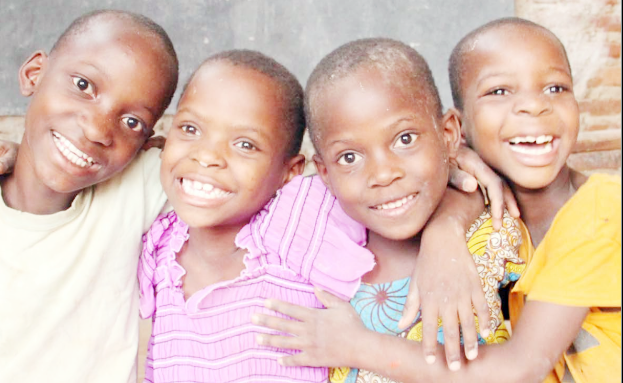
WASHINGTON, 2024: The future of Africa, and particularly Uganda, hinges on how the continent invests in its youth, especially adolescent girls. While much has been said about Africa’s demographic dividend and the potential of its young population, millions of girls are being left behind, trapped in cycles of poverty, limited education, and societal restrictions. The newly released World Bank, the Center for Global Development, and the Population Council’s Pathways to Prosperity for Adolescent Girls in Africa report sheds light on this pressing issue, revealing not just the depth of the challenges faced by adolescent girls but also the immense opportunities that arise from empowering them.
In Uganda and across sub-Saharan Africa, the barriers confronting adolescent girls are stark. Over half of African girls between the ages of 15 and 19 are out of school, married, or already mothers. This early detour from education and childhood leaves them disproportionately underprepared for meaningful economic participation, locking them into low-skilled jobs or unpaid domestic labor. The ripple effects are profound, resulting in lost human capital and stunted economic growth for their communities and nations.
The disparities within the region further complicate the picture. Some countries have made notable progress in delaying marriage and increasing school attendance among girls, while others, especially those plagued by conflict and fragility, continue to report high rates of early marriage and alarmingly low education levels. These patterns are strongly tied to national legal frameworks and societal norms around education, employment, and marriage. Countries adopting progressive laws and policies see more girls completing school and contributing economically, underscoring the critical role of governance in shaping girls’ futures.
In Uganda, the story is no different. Many adolescent girls face enormous pressures to leave school due to family economic constraints, societal expectations, or conflict-related disruptions. Early marriage remains a persistent challenge, often robbing girls of their chance to pursue education and personal growth. Gender-based violence compounds these struggles, both in school settings and beyond, creating an environment where girls are not just marginalized but also unsafe.
Yet, amid these challenges, the potential for transformative change is evident. The Pathways to Prosperity for Adolescent Girls in Africa report estimates that every dollar invested in empowering adolescent girls could yield more than a tenfold return, translating to $2.4 trillion in potential economic gains by 2040. These returns stem from improved health outcomes, increased productivity, and greater economic participation by women. The message is clear: investing in adolescent girls is not only a moral imperative but also an economic necessity.
The report emphasizes the importance of tailored solutions that account for the diverse realities faced by adolescent girls. In Uganda, this means addressing out-of-pocket education costs through initiatives like school feeding programs and conditional cash transfers, which have been proven to keep girls in school. Vocational training programs that align with market needs, combined with life skills education, can equip girls with the tools to succeed in the workforce. Expanding access to youth-friendly health services is equally crucial, ensuring that girls can make informed decisions about their reproductive health while avoiding early pregnancies that derail their futures.
Addressing gender-based violence is another critical component. Schools must become safe spaces where girls can learn without fear, and broader community efforts are needed to challenge the norms that perpetuate violence. Research and evidence-driven approaches, such as those supported by the Adolescent Atlas for Action, provide a roadmap for implementing effective interventions and measuring their impact.
The potential benefits of these investments extend far beyond the individual lives of girls. Empowering adolescent girls creates a ripple effect, fostering healthier families, stronger communities, and more resilient economies. In Uganda, where young people represent a significant portion of the population, the dividends of prioritizing girls in development strategies are particularly pronounced. Empowered girls grow into empowered women, who in turn contribute to breaking cycles of poverty and advancing societal progress.
This report offers more than just hope; it provides actionable insights for policymakers. Reducing education costs, integrating skills training with employment opportunities, and addressing health and safety challenges are not just recommendations but necessities for creating a more inclusive and prosperous future. The World Bank Group’s gender strategy, which aligns closely with the report’s findings, highlights the importance of tackling gender-based violence, enhancing human capital, and creating economic opportunities for women and girls.
The challenges are undeniably vast, but so too are the opportunities. By prioritizing investments in adolescent girls, Uganda and other African nations can unlock the full potential of their young populations. The urgency cannot be overstated. Investing in girls is an investment in the future—a future where communities thrive, economies grow, and Africa’s promise as a global powerhouse is fulfilled.