
KAMPALA – For more than 30,000 households and hundreds of businesses across Isingiro, Ntungamo, Rukungiri and parts of Rwampara, unreliable electricity has been more than an inconvenience. It has meant disrupted production, unstable voltage and a distribution network struggling to move power efficiently from one of the region’s key hydropower plants.
UEDCL now says that could be changing.
The Uganda Electricity Distribution Company Limited has started integrating the UETCL Mirama Hills Substation into the distribution network, following the installation of a 15MVA power transformer at the site. The work is intended to improve the reliability and quality of electricity supply across the four districts.
At the centre of the project is the existing Kikagati-Ntungamo feeder, which is being split into two sections at Mirama Hills. One line will supply Ntungamo, Rukungiri and part of Rwampara, while the other will serve Isingiro and surrounding areas.
That means electricity generated at the Kikagati Hydropower Plant on the Kagera River will have a shorter and more efficient path into the distribution network. UEDCL says the current arrangement has been affected by technical losses and poor performance on the Mbarara Central-Kikagati and Kikagati-Ntungamo feeders.
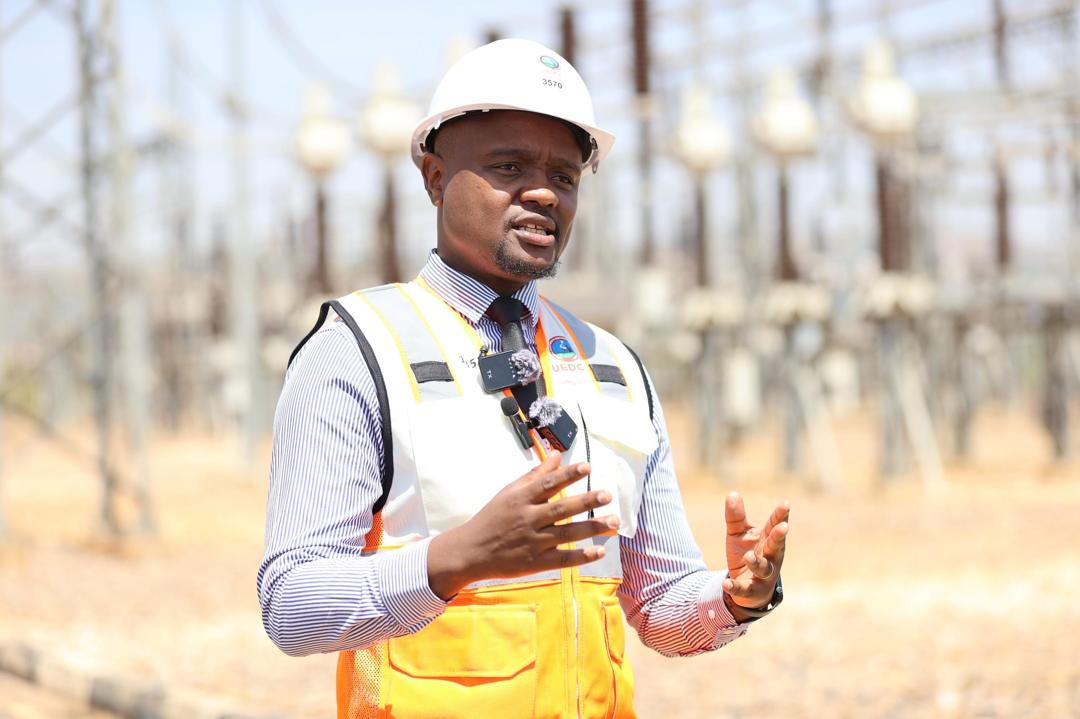
“The Kikagati-Ntungamo feeder is the current route for evacuating power from the Kikagati Hydropower Plant, but its existing configuration is not optimal. Insufficient local load and the resulting technical losses have affected its performance,” said Eng. Alex Atukunda, UEDCL’s head of commercial services in the western region.
The company estimates that more than 30,000 domestic consumers and about 700 commercial customers will benefit. Among the biggest is Terra Industrial Development Company, an iron-processing factory in Ntungamo with an estimated electricity demand of about 7MVA.
That industrial demand is important. Reliable electricity is not only about keeping homes lit. For factories and large commercial users, unstable supply can interrupt production, damage equipment and make expansion more difficult. UEDCL says the additional network capacity is intended to support growing industrial activity in the region.
“Once completed, the project will enhance the reliability and quality of electricity supply in the region, reduce technical losses and create additional capacity to support the growing industrial activities,” Atukunda said.
The current work began in August 2026 and is expected to be completed by mid-September, with UEDCL promising immediate improvements in network performance once the integration is finished.
A second phase is still awaiting approval. It would include a switching station in Ntungamo, additional feeders, dedicated lines for Terra Industrial Development, Inspire Africa Coffee Park and Kikagati, as well as capacitor banks to improve voltage levels and switching arrangements.
For residents and businesses in the four districts, the real test will come after commissioning: whether the new arrangement actually delivers fewer interruptions, better voltage and enough capacity to support both homes and the industries UEDCL hopes to attract.
The writer can be reached at spinmukasa@gmail.com