
Close Menu
C-News
  • News
    • World
  • Politics
  • Business
    • Technology
    • Careers
  • Lifestyle
    • Entertainment
    • Travel
  • World News
  • Sports

Subscribe to Updates

Get the latest creative news from FooBar about art, design and business.

What's Hot

Why Millions Are Still Locked Out of Banks

June 26, 2026

Who Really Rules the People Who Rule Us?

June 24, 2026

Why Uganda Is Betting on Long-Term Debt

June 23, 2026
Facebook X (Twitter) Instagram
Trending
  • Why Millions Are Still Locked Out of Banks
  • Who Really Rules the People Who Rule Us?
  • Why Uganda Is Betting on Long-Term Debt
  • Beyond Kyankwanzi Lies Uganda’s Next Public Service Revolution
  • Can Northern Uganda Become Tourism’s Next Star?
  • Coffee, Services Boom Spur Property and Building Rush
  • Brilliant but Broke? KCB Rescues 56 Students
  • New Evidence Finds: Tech, AI Isn’t Killing Jobs, It’s Creating Them
X (Twitter)
C-News
  • News
    • World
  • Politics
  • Business
    • Technology
    • Careers
  • Lifestyle
    • Entertainment
    • Travel
  • World News
  • Sports
C-News
Home»Business»After COVID-19, Africa is Poorer Today –World Bank
Business

After COVID-19, Africa is Poorer Today –World Bank

Africa Faces Make-Or-Break Decade
By MUHAMMAD JJUMBAJanuary 23, 2026No Comments2 Mins Read
Facebook Twitter Pinterest LinkedIn Tumblr Email
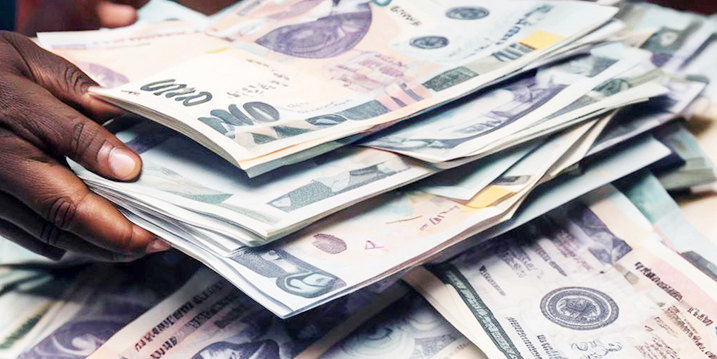
The image is used for illustration purpose only.
Share
Facebook Twitter LinkedIn Pinterest Email

KAMPALA – At first glance, the global economy looks like it has pulled off a quiet miracle.

After years of pandemic scars, war-driven shocks, and inflation fears, the world managed to grow by 2.7 percent in 2025. Inflation is easing. Capital markets have steadied. Artificial intelligence is drawing fresh investment. By the World Bank’s own measure, global income per person is now about 10 percent higher than it was before COVID-19.

But step away from the averages, and a more troubling picture comes into focus.

The World Bank’s Global Economic Prospects report describes a recovery that has split the world in two. Advanced economies and parts of Asia are moving forward—slowly, unevenly, but still forward. Much of Sub-Saharan Africa, by contrast, is treading water in a rising tide.

More than a third of low-income countries are poorer today than they were five years ago. One in four developing economies has yet to recover its pre-pandemic income levels. This is not a temporary lag; it is a widening fault line.

For Africa, the numbers are especially sobering. Growth in Sub-Saharan Africa reached about 4 percent in 2025 and is expected to rise modestly to 4.3 percent in 2026. On paper, that sounds respectable. In reality, it barely keeps pace with population growth, leaving millions stuck where they were—or worse.

Uganda sits squarely inside this story. While the World Bank does not single it out in headline tables, its profile is familiar: a low-income, frontier-market economy with strong demographic momentum and fragile economic buffers. Growth alone will not be enough. Without faster job creation, especially for young people, the country risks spending the next decade running just to stand still.

The danger, the report suggests, is complacency. Global resilience can be misleading. It hides the fact that Africa’s recovery is not a rebound—it is a pause.

And in economics, pauses have consequences.


@world bank
Share. Facebook Twitter Pinterest LinkedIn Tumblr Email
MUHAMMAD JJUMBA

    Related Posts

    Why Millions Are Still Locked Out of Banks

    June 26, 2026

    Why Uganda Is Betting on Long-Term Debt

    June 23, 2026

    Can Northern Uganda Become Tourism’s Next Star?

    June 19, 2026
    Top Posts

    Opening Ceremony FIFA World Cup Qatar 2022

    November 21, 2022

    Musk lifts Donald Trump’s Twitter ban after a poll

    November 23, 2022

    Angry protests at giant iPhone factory in Zhengzhou

    November 26, 2022

    Protesters openly urge Xi to resign over China Covid curbs

    November 27, 2022
    Don't Miss
    Business

    Why Millions Are Still Locked Out of Banks

    By ROBERT SPIN MUKASAJune 26, 20260

    Africa has embraced digital finance at remarkable speed, but millions remain locked out of formal banking. A new Standard Bank report reveals why mobile money alone cannot bridge the continent’s financial divide—and why the next revolution is about opportunity, not technology.

    Who Really Rules the People Who Rule Us?

    June 24, 2026

    Why Uganda Is Betting on Long-Term Debt

    June 23, 2026

    Beyond Kyankwanzi Lies Uganda’s Next Public Service Revolution

    June 19, 2026
    Stay In Touch
    • Twitter

    Subscribe to Updates

    Get the latest news from c-news!

    Demo
    About Us
    About Us

    C-News is your source of the latest general news, business, health, travel and politics as it breaks in Uganda and East Africa.

    Reports, Analysis, Pictorial and Videos.

    Email Us: info@c-news.ug
    Contact: +256 776745120

    X (Twitter)
    Our Picks

    Why Millions Are Still Locked Out of Banks

    June 26, 2026

    Who Really Rules the People Who Rule Us?

    June 24, 2026

    Why Uganda Is Betting on Long-Term Debt

    June 23, 2026
    Most Popular

    Opening Ceremony FIFA World Cup Qatar 2022

    November 21, 2022

    Musk lifts Donald Trump’s Twitter ban after a poll

    November 23, 2022

    Angry protests at giant iPhone factory in Zhengzhou

    November 26, 2022
    • Home
    • Privacy Policy
    © C-NEWS 2026

    Type above and press Enter to search. Press Esc to cancel.