
Close Menu
C-News
  • News
    • World
  • Politics
  • Business
    • Technology
    • Careers
  • Lifestyle
    • Entertainment
    • Travel
  • World News
  • Sports

Subscribe to Updates

Get the latest creative news from FooBar about art, design and business.

What's Hot

What Happens to Uganda’s 90,000 Election Constables After the Polls

February 5, 2026

Africa Is Growing Old — but Who Will Care for Uganda’s Elderly?

February 4, 2026

What Uganda’s New ICT Charter Really Promises Citizens

February 3, 2026
Facebook X (Twitter) Instagram
Trending
  • What Happens to Uganda’s 90,000 Election Constables After the Polls
  • Africa Is Growing Old — but Who Will Care for Uganda’s Elderly?
  • What Uganda’s New ICT Charter Really Promises Citizens
  • Why the U.S. Is Training Uganda’s Disease Detectives
  • World Bank Warns: Uganda on a Debt and Youth Tightrope
  • Cheap—and Risky: Roadside Meat Can Harm You
  • After COVID-19, Africa is Poorer Today –World Bank
  • From Caddie to World Tour Hopeful: Marvin Kibirige Takes Uganda to India
X (Twitter)
C-News
  • News
    • World
  • Politics
  • Business
    • Technology
    • Careers
  • Lifestyle
    • Entertainment
    • Travel
  • World News
  • Sports
C-News
Home » Q1 Budget Breakdown: Top Funded Sectors vs. Least Beneficiaries
Business

Q1 Budget Breakdown: Top Funded Sectors vs. Least Beneficiaries

C-News Bureau ChiefBy C-News Bureau ChiefJuly 16, 2024No Comments3 Mins Read
Facebook Twitter Pinterest LinkedIn Tumblr Email
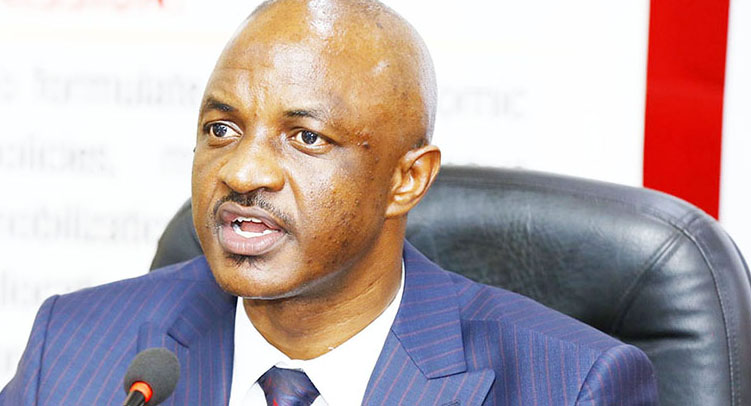
Ramathan Ggoobi, the permanent secretary/ Secretary to the Treasury presented the allocations.
Share
Facebook Twitter LinkedIn Pinterest Email

In the first quarter (July-September 2024), the Ugandan government released Shs 5.899 trillion, representing 21.3% of the discretionary budget. This release supports various sectors and provides a clear picture of the biggest and lowest beneficiaries of the allocations.

Biggest Beneficiaries

  1. Wages and Salaries: A substantial portion, Shs 1.990 trillion, was allocated to cater for wages and salaries across the government, marking it as the largest beneficiary. This includes:
  • Shs 323.50 billion for pension and gratuity.
  • Shs 308.75 billion for local governments, including Shs 112.28 billion for education capitation grants for the third term of the school year.
  • Shs 95.26 billion for public universities, Uganda Management Institute, and the Law Development Centre to meet semester requirements.
  1. Public Investments: The government’s commitment to infrastructure and public project funding is evident with significant allocations, such as:
  • Shs 229.27 billion for local government development grants.
  • Shs 173.68 billion to the National Medical Stores (NMS) for essential drugs and medicines.
  • Shs 124 billion to Uganda National Oil Company (UNOC) for equity acquisition in the East African Crude Oil Pipeline (EACOP).
  • Shs 124.63 billion to the National Council of Sports, including payments for AFCON commitment fees.
  1. Security Institutions: Operational funds for security institutions were also heavily prioritized:
  • Ministry of Defense and Veteran Affairs received Shs 253.30 billion.
  • Uganda Police Force was allocated Shs 56.43 billion.
  • Uganda Prisons Services received Shs 44.79 billion.
  1. Other Notable Allocations:
  • Parliament: Shs 153.60 billion.
  • Judiciary: Shs 47.40 billion.
  • Uganda Cancer Institute: Shs 12.31 billion.
  • Uganda Heart Institute: Shs 7.06 billion.

Lowest Beneficiaries

  1. Referral Hospitals and Health Subventions: Although significant, some health institutions received comparatively lower allocations:
  • Referral hospitals: Shs 22.58 billion.
  • Uganda Blood Transfusion Services (UBTS): Shs 4.1 billion.
  • Subventions under MoH for medical interns’ salaries: Shs 21.85 billion.
  1. Overseas Missions and Small Agencies:
  • All missions abroad received Shs 100.58 billion, representing 50% of the annual budget to hedge against loss of poundage.
  • Uganda Revenue Authority (URA): Shs 14.34 billion.
  • Kampala Capital City Authority (KCCA): Shs 22.67 billion.
  1. Miscellaneous Allocations:
  • ISO received Shs 28.08 billion.
  • ESO received Shs 19.44 billion.
  • Auditor General: Shs 10.11 billion.

Key Insights and Implications

The significant allocations toward wages, public investments, and security institutions highlight the government’s priorities in maintaining stability and advancing infrastructure projects. However, the comparatively lower allocations to specific health institutions and smaller agencies indicate a potential area for concern, especially in critical service delivery sectors.

The focus on local government grants and the National Medical Stores reflects a commitment to improving public health and local governance. Meanwhile, the substantial funds directed toward the Uganda National Oil Company emphasize the strategic importance of the oil sector in Uganda’s economic future.

Conclusion

The Q1 budget release aligns with Uganda’s fiscal consolidation efforts, aiming for disciplined budget management and effective public service delivery. As highlighted by the Finance Ministry, ensuring timely payment of salaries and pensions, clearing domestic arrears, and maintaining fiscal discipline remain top priorities for the government. These measures are crucial for sustaining economic growth and enhancing public trust in governmental operations.


@ministry of Finance
Share. Facebook Twitter Pinterest LinkedIn Tumblr Email
C-News Bureau Chief
  • Website

Related Posts

World Bank Warns: Uganda on a Debt and Youth Tightrope

January 29, 2026

After COVID-19, Africa is Poorer Today –World Bank

January 23, 2026

Uganda’s Inflation Is Stable on Paper—But at the Market, the Story Feels Very Different

January 8, 2026
Leave A Reply Cancel Reply

Top Posts

Protesters openly urge Xi to resign over China Covid curbs

November 27, 2022

WORLD ATHLETICS CHAMPIONSHIPS: Uganda’s Chemutai Qualifies For 3000m Steeplechase Final

August 19, 2023

SC Villa, KCCA FC in Winning Form Ahead of Derby

December 18, 2023

One Point Away: Uganda Cranes Chase AFCON Glory, Fans Hold Their Breath

October 16, 2024
Don't Miss
News

What Happens to Uganda’s 90,000 Election Constables After the Polls

By TALENT ATWINE MUVUNYI & JJUMBA MUHAMMADFebruary 5, 20260

As Uganda’s election season ends, more than 90,000 young election constables face an uncertain future. Now, police want private security firms to absorb them—reshaping the country’s security landscape and raising urgent questions about jobs, training, and who really guards the public after the votes are counted.

Africa Is Growing Old — but Who Will Care for Uganda’s Elderly?

February 4, 2026

What Uganda’s New ICT Charter Really Promises Citizens

February 3, 2026

Why the U.S. Is Training Uganda’s Disease Detectives

January 30, 2026
Stay In Touch
  • Twitter

Subscribe to Updates

Get the latest news from c-news!

Demo
About Us
About Us

C-News is your source of the latest general news, business, health, travel and politics as it breaks in Uganda and East Africa.

Reports, Analysis, Pictorial and Videos.

Email Us: info@c-news.ug
Contact: +256 776745120

X (Twitter)
Our Picks

What Happens to Uganda’s 90,000 Election Constables After the Polls

February 5, 2026

Africa Is Growing Old — but Who Will Care for Uganda’s Elderly?

February 4, 2026

What Uganda’s New ICT Charter Really Promises Citizens

February 3, 2026
Most Popular

Protesters openly urge Xi to resign over China Covid curbs

November 27, 2022

WORLD ATHLETICS CHAMPIONSHIPS: Uganda’s Chemutai Qualifies For 3000m Steeplechase Final

August 19, 2023

SC Villa, KCCA FC in Winning Form Ahead of Derby

December 18, 2023
  • Home
  • Privacy Policy
© C-NEWS 2026

Type above and press Enter to search. Press Esc to cancel.