

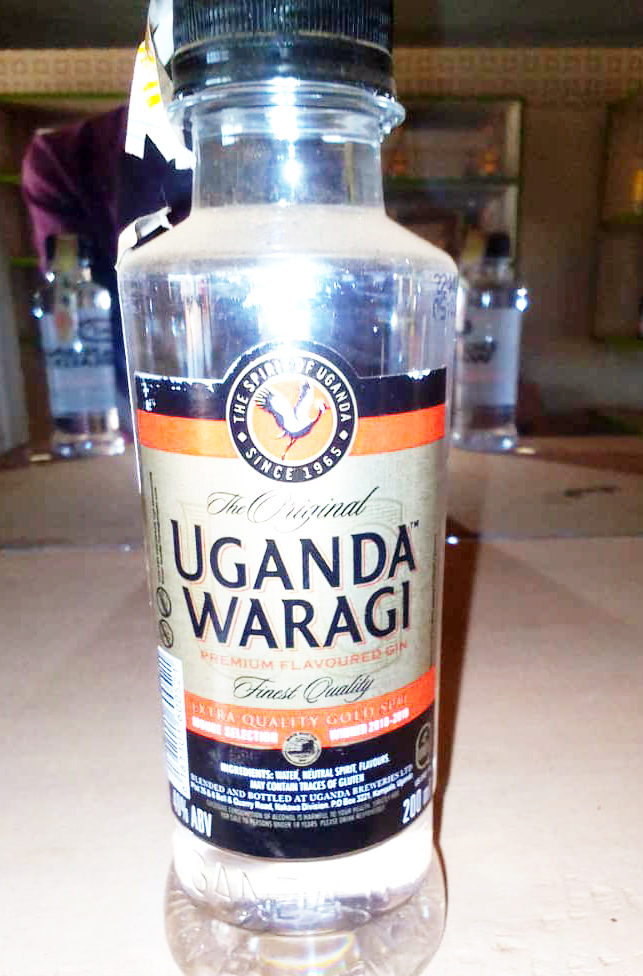
WAU, South Sudan— In a decisive move to combat substance abuse and rising crime, South Sudan’s Western Bahr El Ghazal State has officially banned the production, sale, and importation of several toxic alcoholic beverages, including the widely consumed Uganda Waragi, along with harmful substances such as Tramadol. The sweeping ban, which came into effect on June 16, 2025, marks a significant shift in the region’s public health and safety policy and has far-reaching implications both locally and across borders.
A State Takes a Stand
Following weeks of deliberation in Wau, the state’s capital, the Western Bahr El Ghazal Council of Ministers announced a list of banned products that includes both local and imported spirits such as Siko/Aregi, Royal Gin, Vodka, Flash Vodka, Jaguar Cocktail, Seven Seven, Boss Gin, and the painkiller Tramadol, which is frequently abused. The most prominent on the list—Uganda Waragi—has long dominated East African alcohol markets and is widely recognized in Uganda, where a 2022 survey found that over 90 percent of respondents knew the brand.
“All companies and individuals must comply with this ban on toxic alcohol,” said Hillary Musa, Secretary for the Council of Ministers. “Violators face imprisonment of three to six months.”
Echoing the urgency, Information Minister Samuel Nicola Cornelio emphasized that the ban is not only a legal enforcement but a social intervention. “The surge in toxic alcohol consumption has fueled crime and devastated communities. This ban is about protecting our youth and fostering a healthier future,” he said.
While hailed as a public health victory in South Sudan, the decision could disrupt trade flows in neighboring Uganda, a major exporter of alcoholic beverages. According to Volza export data, Uganda shipped 1,294 consignments of alcohol between October 2023 and September 2024, involving 251 exporters and 323 buyers. In 2023 alone, South Sudan imported $51.78 million in beverages from Uganda.
The ban threatens to destabilize this trade, forcing Ugandan distributors in Wau to offload or reroute products, potentially breaching East African Community trade protocols. With Uganda’s total exports valued at $7.41 billion in 2023, any loss of a regional market could trigger oversupply and price drops elsewhere.
A Cultural Fixture with Deadly Effects
Alcohol holds cultural significance in South Sudan, where locally distilled brews like Soko, Aragi, and Mawher are commonly consumed. These homemade spirits, often produced by women in female-headed households, provide vital income in underserved communities.
However, the availability of cheap imported alcohol, like Uganda Waragi, has intensified health concerns. Most alarming is the lack of access to treatment for alcohol dependency, leaving communities vulnerable to addiction’s long-term toll.
A study led by Lars Lien, Edward Hauff, and Priscilla Martinez in northwestern South Sudan found that over 14 percent of participants met criteria for harmful or hazardous drinking, based on WHO’s Alcohol Use Disorders Identification Test (AUDIT). Key risk factors included being male, experiencing psychological stress, and having no steady income—all indicators that speak to the deep social roots of the alcohol crisis.
A National Trend—and a Global Concern
Western Bahr El Ghazal is not acting alone. In Central Equatoria State, enforcement has intensified against banned products like “Jena Far.” Juba County Commissioner Emmanuel Tete has warned traders of license revocations and permanent business closures. Former Governor Gen. Augustino Jadalla Wani personally led inspections in production zones like Gumbo to ensure compliance.
Globally, the public health burden of alcohol remains heavy. According to the World Health Organization, three million deaths were attributed to harmful alcohol use in 2016, 5.3 percent of all global deaths. In Africa, 32 percent of people aged 15 and above are current drinkers. A 2022 Uganda Alcohol Report further noted that, by 2011, alcohol was already the third-highest risk factor for disease and disability worldwide.
Toward Compliance—and a Healthier Future
Authorities in South Sudan are calling on traders, consumers, and youth to embrace the ban as an opportunity for change. With strict penalties in place, officials are urging communities to shift away from alcohol dependency and toward education, productivity, and wellness.
“This is more than a law—it’s a lifeline,” said Minister Cornelio. “We want young people to build, not break down. We want communities that thrive, not ones torn apart by addiction.”
