

LUCAS MUSISI
KAMPALA – Refugees in Uganda encounter a complex array of challenges, stemming from various sources. These difficulties are compounded by dwindling funding for refugee programs and the growing unpredictability of weather conditions. In response to this pressing situation, the United Nations World Food Programme (WFP) has initiated collaborative efforts with the government of Uganda and other key stakeholders. Their aim is to facilitate the transition of refugees and host communities from reliance on humanitarian aid to self-sufficiency in meeting their nutritional needs.
One significant initiative in this endeavor is the Self-Reliance Model, which has secured substantial funding exceeding USD 15 million from the governments of Ireland and Norway. This model focuses on empowering refugees through multiple avenues. Firstly, it seeks to foster income generation opportunities among refugee populations. By promoting entrepreneurial endeavors and vocational training, the program aims to enable refugees to earn sustainable livelihoods.
Moreover, the Self-Reliance Model endeavors to enhance refugees’ access to social protection mechanisms. This includes facilitating their integration into existing social safety nets and advocating for their rights within the broader societal framework.
Additionally, the initiative recognizes the importance of fostering social norms change within refugee communities. By addressing cultural barriers and promoting inclusivity and gender equality, it aims to create an environment conducive to self-reliance and community empowerment.
Furthermore, the self-reliance model prioritizes equipping refugees with essential financial skills. Through financial literacy programs and access to microfinance opportunities, refugees can build the necessary capabilities to manage their finances effectively and pursue economic independence.
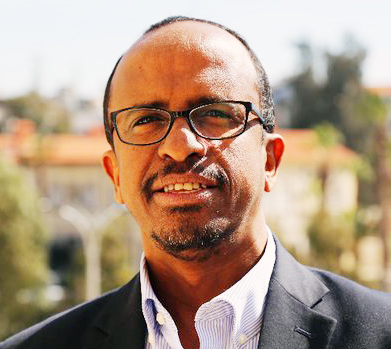
Mr. Abdirahman Meygag, WFP Uganda Country Representative, emphasized the organization’s commitment to addressing the underlying causes of the challenges faced by refugees. During the project launch, he highlighted refugees’ expressed desire for empowerment to care for their families and lead dignified lives. He stated, “The self-reliance model is our response to refugees’ requests. Our assistance should support refugees to get back on their feet.”
The project will initially focus on Southwestern Uganda and West Nile, regions with longstanding refugee settlements. These areas offer favorable conditions for agricultural pursuits, with fertile soils and reliable rainy seasons. WFP is already facilitating communal farming among refugees and host communities, providing solar-powered irrigation systems to enhance food production and income generation. Additionally, returning farmers share their expertise to encourage others to cultivate their land.
Under the Self-Reliance Model, WFP aims to expand such initiatives, enabling more individuals to earn sustainable livelihoods. Hilary Onek, Minister for Relief, Disaster Preparedness, and Refugee Affairs, praised Uganda’s commitment to humanitarianism and emphasized the importance of comprehensive development approaches beyond immediate aid.
Of the 1.5 million refugees hosted by Uganda, 1.4 million receive support from WFP. Ongoing conflicts and climate crises in the region contribute to the influx of refugees, with thousands arriving annually. WFP provides initial food assistance to new arrivals and prioritizes support based on vulnerability, gradually transitioning refugees to self-reliance.
Ms. Susan Ngongi Mamondo, United Nations Resident Coordinator in Uganda, emphasized the significance of innovative interventions like the self-reliance model in empowering refugees and fostering sustainable development. In addition to agricultural support, the model includes training in financial literacy and the promotion of savings groups to facilitate informed financial management and future investments.
WFP collaborates with the government to strengthen social protection systems, ensuring individuals have access to safety nets during times of need. This holistic approach aligns with the United Nations mission to build pathways to peace, stability, and prosperity for communities affected by conflict, disasters, and climate change.
