

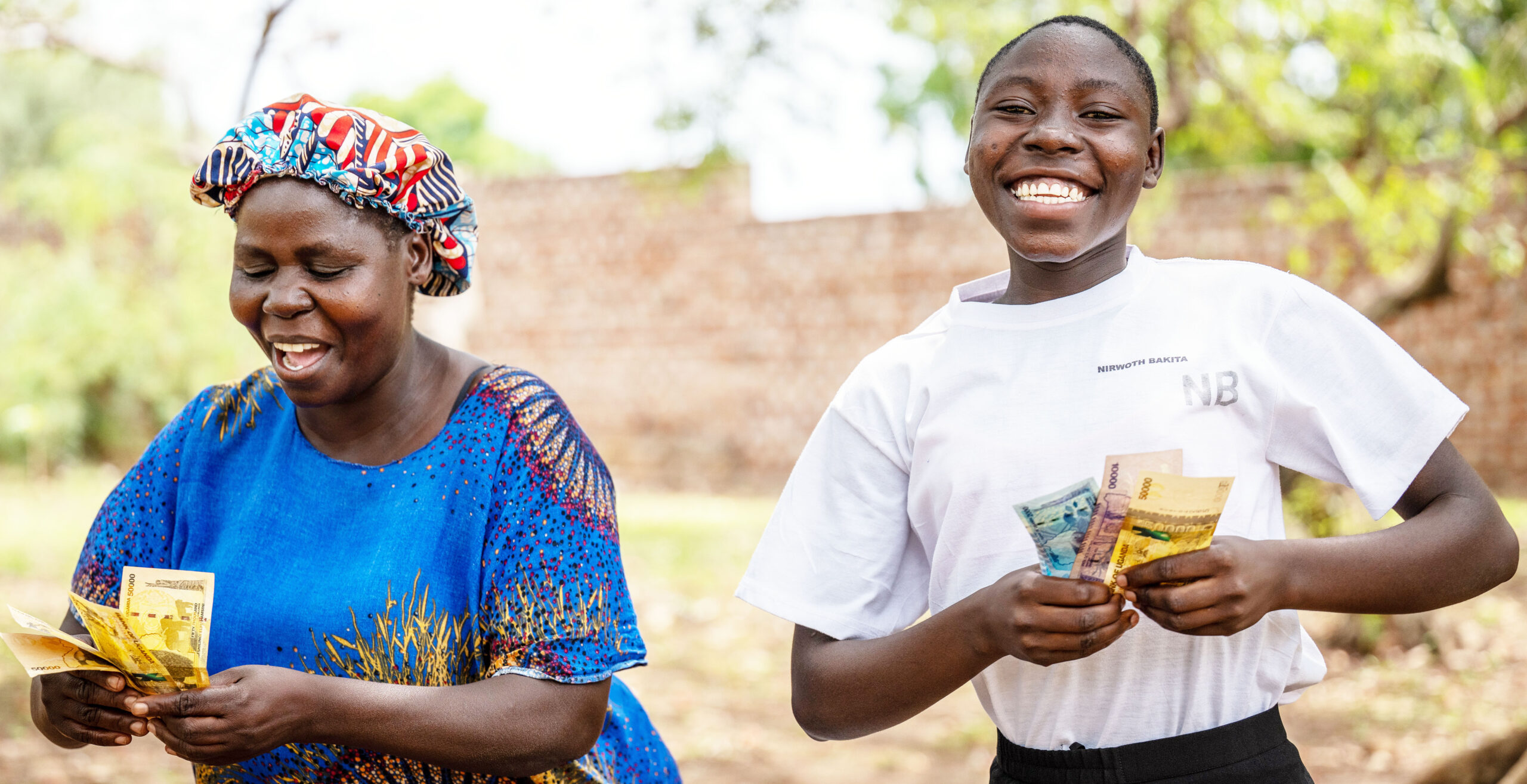
NEBBI, March 28, 2025— In Northern Uganda, hope took root for thousands of young girls. In a move that could reshape futures and communities, the European Union and UNICEF officially launched a transformative assistance programme aimed at empowering vulnerable girls to complete their secondary education.
The initiative, set to support 5,000 girls across seven districts in the West Nile, Lango, and Acholi sub-regions, is part of the EU-funded Cashplus Programme for Girls in Secondary School, implemented by UNICEF under the broader Gender for Development Uganda (G4DU) flagship.
“The first step in changing a girl’s future is making sure she stays in school,” said Dr. Robin Nandy, UNICEF Representative to Uganda in a statement released Friday. “We aim to support the government to ensure that girls continue and complete their education and thereby empower them to break cycles of poverty and prevailing gender inequality. It is critical in preventing the risk of teenage pregnancies, a major risk to young girls in Uganda, and in realising their full potential, and becoming agents of change in their communities.”
The support will reach girls enrolled in government-aided Universal Secondary Education (USE) schools in Adjumani, Yumbe, Lamwo, Nebbi, Oyam, Madi-Okollo, and Kitgum. Through termly financial assistance, the programme seeks to remove economic burdens that often force girls to drop out—covering essentials such as school fees, learning materials, and other daily needs. Additional support is earmarked for girls with disabilities, ensuring no one is left behind.
“This is a concrete expression of our commitment to gender equality and inclusive development,” said EU Ambassador to Uganda, Jan Sadek. “It is an opportunity to invest in the potential of Ugandan girls, support their education and empowerment, and contribute to more resilient and equitable communities.”
The Cashplus programme is rooted in evidence. Beneficiaries were carefully selected through a six-month assessment process that identified both national and refugee girls who had completed Primary Seven and passed the 2024 Primary Leaving Exams. The programme will span from 2025 to 2028, offering continued support that safeguards girls’ ability to stay in school.
But financial aid is just one pillar of this effort. The programme brings together multiple layers of support: mentorship for girls and their families, guidance on the importance of education, and strong community engagement to create a nurturing environment for learning.
In this collaboration, UNICEF will leverage a €23 million contribution from the EU. This funding will go towards a range of critical services, including performance-based school grants, support for children with disabilities and child mothers, accelerated education programmes, early childhood care, 21st-century skills training, and social behaviour change interventions.
The G4DU programme is the largest EU and Team Europe initiative in Uganda to date, with a total budget of €85 million disbursed to implementing partners—UNICEF, Enabel, KfW, and the Spotlight Initiative. It is a comprehensive investment in education, hygiene, infrastructure, teacher training, and school governance—designed to not only keep girls in school but to help them thrive.
In communities like Malongo and Buluuta, the promise of this initiative is more than a statistic. It’s a chance for young girls to dream again, to finish school, and to rise as future leaders in their families and villages.
For these 5,000 girls, school is no longer a distant dream—it’s a real, supported, and achievable path forward.
– Ends –
