

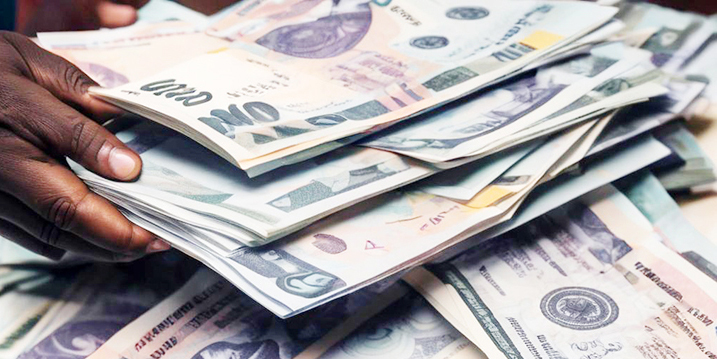
The U.S. government is undertaking a comprehensive effort to redesign its dollar bills, a process driven by technological advancements and the growing threat of counterfeiting. With the Federal Reserve (Fed) and the Bureau of Engraving leading the charge, the initiative aims to introduce more secure currency across all denominations, ensuring continued stability and trust in U.S. money. The redesign, which will take place over the next decade, will focus on integrating cutting-edge security features while also addressing practical concerns related to currency circulation and usability, according to lagradaonline.com.
The Battle Against Counterfeiting
Counterfeiting has always posed a significant threat to the integrity of any national currency, and the U.S. dollar, as one of the most widely used currencies in the world, is a prime target. With technological advancements making it easier to replicate traditional security features, the U.S. government is determined to stay ahead of counterfeiters. The redesign of the dollar bills is a response to this evolving challenge, aimed at bolstering the security of physical currency and preventing counterfeit money from flooding the market.
The Federal Reserve and the Bureau of Engraving are at the forefront of this effort, working closely with the Advanced Counterfeit Deterrence (ACD) Steering Committee and the Secret Service. These institutions play a crucial role in identifying vulnerabilities in the current currency design and recommending new security measures. The Secret Service, with its extensive experience in tracking counterfeit operations, brings invaluable insights into which features are most effective in deterring fraud. Together, these organizations are spearheading a multi-year project that will fundamentally change how U.S. bills are designed and secured.
Timeline for the New Dollar Bills
The redesign of U.S. currency is a gradual process, with different denominations scheduled for release over the next decade. According to the US government’s timeline, the $10 bill will be the first to enter circulation, expected between 2026 and 2028. The $50 bill will follow in 2028, the $20 bill in 2030, and the $5 bill between 2032 and 2035. Finally, the $100 bill, a target for counterfeiters due to its high value, will be redesigned and released between 2034 and 2038.
While these timelines may seem distant, the process of redesigning currency is highly complex. Each new bill undergoes rigorous testing to ensure it cannot be easily replicated. Additionally, the roll-out of new bills must be carefully coordinated to avoid disrupting the economy or causing confusion among consumers and businesses.
Implications for Businesses and Consumers
One of the most immediate changes consumers and businesses will experience is the stricter enforcement around damaged bills. Historically, slightly torn or worn bills could still be used in transactions, but this will soon change. Retailers and banks are being instructed to remove damaged bills from circulation, forcing customers to exchange old or defective bills for new ones at bank locations. This process is essential in phasing out outdated currency that lacks the enhanced security features being introduced.
ATMs are also being reprogrammed to reject damaged bills, further limiting their circulation. For businesses, this shift may require updated payment processes and increased awareness about the quality of the bills they accept. Consumers, meanwhile, will need to be vigilant about the condition of their cash and prepared to visit banks more frequently to replace damaged bills.
Enhanced Security Features: The Evolution of Currency
Several key security features have already been incorporated into U.S. currency, with the goal of making it difficult, if not impossible, for counterfeiters to replicate. The most notable features include:
- 3D Security Bands: Found in high-denomination bills like the $100 bill, these bands contain images—such as bells or numbers—that appear to move when the bill is tilted. This optical illusion is incredibly challenging to replicate and provides an immediate visual cue for consumers and businesses to verify a bill’s authenticity.
- Color-Shifting Ink: Another feature of high-denomination bills, the ink in the bottom-right corner changes color when the bill is tilted. For example, the $100 bill’s number shifts from copper to green. This feature adds an additional layer of complexity for counterfeiters attempting to reproduce the bills.
- Watermarks: When held up to light, genuine U.S. bills reveal faint images of the portrait that corresponds to the denomination. This subtle but effective feature makes it easy for consumers to verify the authenticity of a bill.
- Microprinting: Tiny inscriptions, such as “USA” or “THE UNITED STATES OF AMERICA,” are strategically placed on different parts of the bill. These are nearly impossible to recreate with standard printing methods, serving as another deterrent to counterfeiters.
- Raised Printing: The texture of a U.S. bill is also a critical security measure. The raised printing, particularly around the portrait, gives the bill a distinctive feel that is difficult to replicate. By running a finger over the portrait, one can detect the rough texture typical of authentic U.S. currency.
These features have made U.S. bills some of the most secure in the world, but as technology advances, so too must the security measures that protect the nation’s currency. The redesign aims to further refine these elements, making it even harder for counterfeiters to replicate U.S. money.
Addressing the Funding Challenge
One of the major hurdles facing this redesign process is the significant cost associated with introducing new security features across all denominations. The U.S. government has allocated resources to fund the project, but ensuring the timely and widespread implementation of the redesigned bills will require continued financial investment.
The government must balance the costs of redesigning and rolling out new bills with the ongoing need to combat counterfeiting. As counterfeit operations become more sophisticated, the potential for economic disruption grows. Therefore, the redesign is not just a matter of security, but also of maintaining economic stability.
Conclusion: A Complex but Necessary Overhaul
The redesign of U.S. currency is a monumental task, one that will have far-reaching implications for consumers, businesses, and the broader economy. The introduction of new security features is crucial to safeguarding the dollar from counterfeit threats in an increasingly digital world. As the Federal Reserve and the Bureau of Engraving roll out new bills over the next decade, it will be important to monitor how well these changes address the challenges posed by counterfeiting, and how businesses and consumers adapt to the new currency.
While the project faces financial and logistical challenges, its success is essential to ensuring the continued trust in U.S. currency, both domestically and globally. With the combined efforts of the Fed, the Bureau of Engraving, the Secret Service, and the Advanced Counterfeit Deterrence Steering Committee, the U.S. is positioning itself to stay one step ahead of counterfeiters and protect the integrity of its currency.
