

KAMPALA – At a time when Ugandans are spending more of their lives online, scrolling, posting, and consuming news in real time, the government is urging its own communicators to catch up.
This week, the Ministry of ICT and National Guidance called on local government communication officers to embrace social media and other digital tools as essential channels for engaging with citizens, especially the country’s young and increasingly connected population.
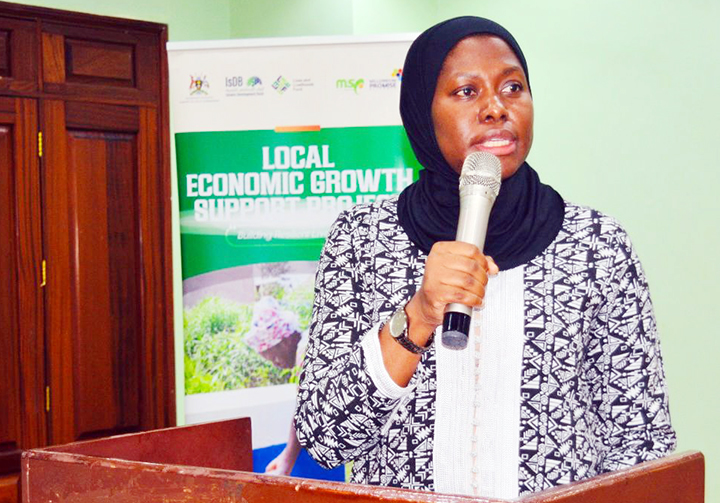
“Our population is predominantly young, averaging about 16 years, and most of them live on platforms like WhatsApp, TikTok, Instagram, X, and YouTube,” said Dr. Aminah Zawedde, the ministry’s Permanent Secretary. “To communicate effectively, we must speak to citizens where they are.”
A Digital Shift for a Young Nation
Uganda’s digital landscape has expanded rapidly. The country now boasts over 44 million mobile subscriptions and more than 10 million smartphone users. For government communicators, that means millions of potential citizens reachable with a single post, if they learn how to use the platforms right.
Dr. Zawedde, who spoke during a recent meeting of Local Government Communication Officers in Kampala, said digital communication must become an integral part of government outreach. Beyond simply posting announcements, she urged officers to share evidence-based information, tell local success stories, and actively counter misinformation, particularly around flagship initiatives like the Parish Development Model (PDM).
“Misinformation spreads fast online,” she warned. “We need to use facts to counter false narratives and to showcase the impact government programs are having in communities.”
Communication as a Tool for Service Delivery
The call for modernization was echoed by Dr. Zawedde’s counterpart in the Ministry of Local Government, Ben Kumumanya, who said effective communication is no longer a luxury, it’s central to public service delivery.
“Communication officers must not only tell stories of progress but become part of the development process,” Mr. Kumumanya said. He cited tangible improvements, new classroom blocks, expanded health centers, road upgrades, and administrative infrastructure in districts like Kalaki and Terego, as examples of local success stories worth sharing.
Kumumanya also emphasized that communication roles should be treated as vital within local governments, listing them among the 15 key positions that must be prioritized for recruitment, alongside heads of departments, internal auditors, and procurement officers. “Without a strong communication unit,” he noted, “even good work risks going unnoticed.”
The two-day meeting in Kampala aimed to craft a national roadmap for improving government communication at the local level. Part of that effort includes addressing budget constraints that often limit communication departments from operating effectively. Kumumanya said the issue of funding will be brought up at the next meeting of Local Government Accounting Officers.
For Uganda’s government, the challenge is clear: reaching citizens in a country where nearly every teenager has a smartphone, but public trust in official communication remains fragile.
Both Zawedde and Kumumanya believe the answer lies in meeting people where they already are—online—and making government communication more transparent, relatable, and responsive.
