

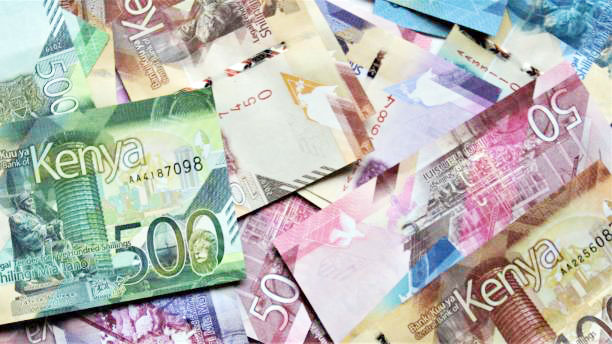
KAMPALA, Sept. 19 (c-news.ug) – Data from Kenya’s central bank shows that public debt slightly declined between December 2023 and June 2024, largely due to gains in the value of the Kenyan shilling following significant state interventions. However, despite this drop—particularly a 15.4 percent reduction in external debt—the country’s financial situation remains precarious. According to Odongo Kodongo, an associate professor of finance at the University of the Witwatersrand, the decline in debt does not indicate a genuine improvement in Kenya’s economic health.
Writing in The Conversation, a network of nonprofit media outlets publishing news stories and research reports online, Prof. Odongo Kodongo said Kenya’s debt-servicing burden reached a staggering 69.6 percent of domestic revenue by June 2024, more than double the recommended threshold of 30 percent. This level of debt service renders the country’s public debt unsustainable, a situation that has persisted since at least 2019. Kodongo warns that Kenya’s high ratio of debt service to revenue leaves few options for maneuvering out of this financial crisis, with time running out to avoid a potential default.
Increasing Economic Pressure
The International Monetary Fund (IMF) had assessed Kenya’s debt as sustainable as recently as January 2024, though it acknowledged that the risk of debt distress remained high. The Kenyan government attempted to address the issue by proposing new tax measures in the 2024 Finance Bill to raise additional revenue. However, nationwide protests forced the government to withdraw the bill, leading to an expected shortfall of approximately KES 346 billion (US$2.7 billion) in tax revenue for the 2024/25 fiscal year.
Despite a shrinking ability to meet its debt obligations, the Kenyan government continues to seek additional loans. As recently as September 2024, officials were in China negotiating new financial deals. Without a debt write-off, rescheduling, or similar restructuring, Kenya faces a growing risk of default.
Consequences of Debt Default
According to Odongo Kodongo, when creditors anticipate a country may default on its debt, they often push for austerity measures to protect themselves from losses. Austerity typically involves significant cuts to public spending, including in essential sectors such as education, health, and infrastructure, as well as social programs like food subsidies. While these measures can harm economic growth and citizens’ quality of life, they are often seen as necessary for countries on the brink of default.
Kenya’s sovereign debt rating was downgraded in August 2024, further compounding its financial struggles. Sovereign credit ratings reflect the confidence creditors have in a country’s ability to repay debt, and a downgrade usually results in higher interest rates on loans. Higher rates make borrowing more expensive for businesses and individuals, potentially leading to business failures, rising unemployment, and a worsening economic climate.
Additionally, a downgrade can trigger capital flight, where investors pull their funds out of the country, leading to sharp declines in asset prices and a potential collapse of key markets, such as the stock exchange. If this scenario were to unfold, it could result in bank runs and widespread financial instability, threatening the entire banking system.
Strategies to Avoid Default
To avoid default, Odongo Kodongo suggests Kenya has several potential strategies at its disposal:
- Address Wasteful Spending: Reducing wasteful public expenditures, such as excessive spending on transportation, entertainment, and allowances for senior officials’ spouses, could help ease debt pressures.
- Implement Fiscal Policy Rules: Strengthening and adhering to fiscal policy rules that limit borrowing and budget deficits could help reduce the risk of default. However, Kenya has a history of breaching or changing these rules.
- Institutional Reforms and Whistleblowing: Stronger institutions are crucial to enforcing fiscal discipline. Kenya’s current institutional framework is often viewed as weak and in need of reform. Strengthening the role of the auditor general and offering legal protection to whistleblowers could improve accountability.
- Boosting Tax Revenue: With widespread resistance to the IMF-backed tax measures, Kenya needs innovative ways to increase tax revenue, such as digitalization and the use of artificial intelligence to improve tax collection efficiency.
- Off-Balance Sheet Financing: Financing development projects through public-private partnerships could relieve some fiscal pressure, though this is a longer-term solution.
Role of Creditors
Kenya could also consider approaching its creditors to negotiate pre-emptive debt restructuring, which would ease financial pressure by reducing repayment obligations before a default occurs. Debt reprofiling, such as consolidating multiple debts into one with a longer repayment period or switching to a different currency, is another option that Kenya may explore. In fact, recent negotiations with China may indicate early efforts to pursue reprofiling strategies.
Lessons from Other Countries
Countries like Argentina and Greece have faced severe economic crises due to excessive use of sovereign debt. Kenya could learn valuable lessons from their experiences, potentially steering its economy in the right direction and avoiding a full-blown debt crisis.
As Kenya navigates its challenging financial landscape, decisive action and comprehensive reforms are essential to stave off the looming threat of default and stabilize the economy.
