

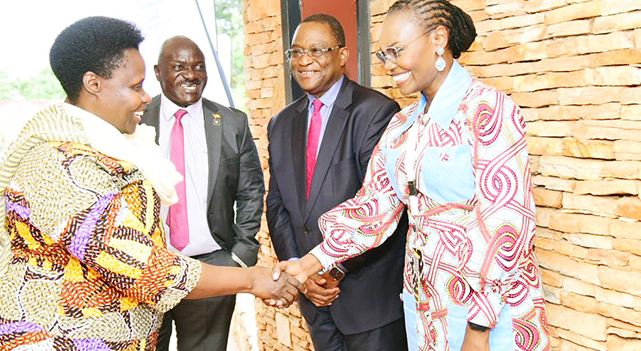
KAMPALA – In anticipation of the 16 Days of Activism against Gender-Based Violence (GBV), Uganda’s Minister of State for Gender and Culture Affairs, Mutuuzo Peace Regis, addressed the media and stakeholders in Kampala, outlining the country’s efforts and challenges in combating GBV. The campaign, which commenced on Saturday, November 25, and ends on December 10, Human Rights Day, will see various activities nationwide focussing on ensuring girls’ access to quality education.
Since Uganda joined the global campaign in 2008, there have been significant strides in raising awareness and addressing GBV. Public awareness has increased markedly, with reported cases of GBV rising from 39.5% in 2013 to 70% in 2021. Innovative approaches like toll-free lines and mobile apps have contributed to this surge in reporting and helped victims seek help. The establishment of 23 GBV shelters across the country has provided comprehensive services to approximately 46,481 survivors, including legal aid, medical treatment, and psychosocial support.
The ministry has also engaged in dialogues with cultural and religious leaders, resulting in 16 cultural institutions making declarations to combat harmful practices that perpetuate GBV. Grassroots initiatives have been strengthened, with male action groups, survivor support groups, and para-social workers playing key roles in supporting victims.
Despite these efforts, GBV remains widespread in Uganda, affecting individuals across socio-economic and political spectrum. The Uganda Demographic and Health Survey (UDHS) 2022 highlights alarming statistics, including a 45% lifetime prevalence of intimate partner violence among women, with regions like Acholi and Bukedi showing even higher rates. Economic violence and coercion are also prevalent, with many women forced to surrender their earnings to partners.
In light of these challenges, the minister calls for collective action to prevent violence against women and girls, advocating for increased long-term investments from various sectors and the implementation of workplace policies ensuring women’s economic security and safety. The Ministry emphasizes the need for policy, programmatic, and financial commitments to accelerate transformative action against GBV.
The national launch of the campaign was on November 24 in Kiryandongo District, chosen for its high teenage pregnancy rates and status as a refugee hub, marking a renewed commitment to tackling these issues. In collaboration with the UN and other partners, the ministry will organize numerous activities nationwide to raise awareness and mobilize action against GBV.
