

KAMPALA, AUGUST 2025 — Uganda’s economy is riding a wave of stronger exports and improving investor confidence, but behind the upbeat data lies a more complicated story of rising imports, new regional trade barriers, and inflationary pressures that could shape the country’s policy path in the months ahead.
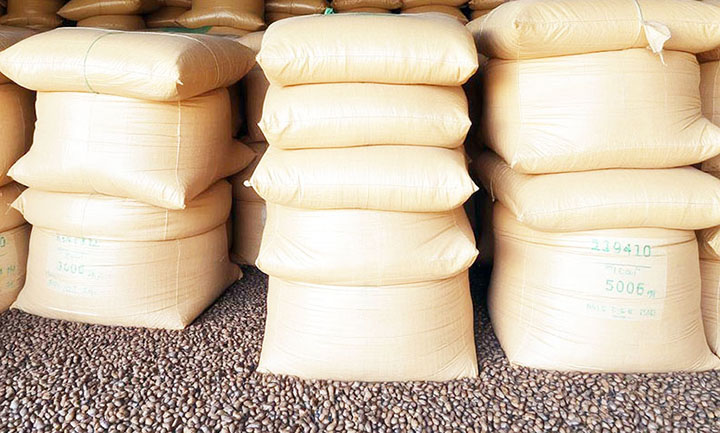
Uganda’s exports hit $1.15 billion in June 2025, up an eye-catching 64 percent from the same period last year. Driving this surge were higher receipts from coffee, minerals, fish, tea, and flowers. Coffee, the country’s flagship export, stood out: earnings jumped nearly 78 percent year-on-year, powered by both higher volumes and stronger prices, according to the July 2025 Ministry of Finance economic performance report.
But the monthly trend tells a different story. Compared with May, exports slipped 3.6 percent, largely due to weaker performance in minerals, tobacco, maize, and sugar. A further challenge came from within the East African Community (EAC), where new tariffs and non-tariff barriers, including quotas on products like fish, dairy, onions, and meat, bit into Uganda’s regional trade.
Notably, coffee remained resilient. Despite a drop in average prices, higher volumes (over one million 60kg bags in June) offset the decline, providing a rare cushion against external shocks.
The Middle East remains Uganda’s largest export market, absorbing more than a third of shipments, almost all of it to the UAE. The EAC comes second at 25 percent, followed by the European Union (19.5 percent) and Asia (13.4 percent).
This diversification helps spread risk, but the heavy reliance on commodities makes Uganda vulnerable to price swings and regulatory headwinds in key markets.
If exports are the brightest spot, imports are the looming concern. Uganda imported goods worth $1.43 billion in June 2025, up 51 percent year-on-year. Month-on-month, imports climbed nearly 9 percent, with oil, base metals, chemicals, and food products leading the way.
In a notable shift, the EAC overtook Asia as Uganda’s largest source of imports, supplying more than a third of all inbound goods. Asia, long the dominant trade partner, accounted for 30.7 percent, while the rest of Africa and the Middle East made up smaller shares.
The widening import bill risks straining Uganda’s trade balance, raising questions over currency stability and external financing needs.
Despite trade friction, private sector activity remains buoyant. Uganda’s Purchasing Managers’ Index (PMI) stayed above the 50-point growth threshold at 53.6 in July 2025, though slightly down from June due to higher input costs. The Composite Index of Economic Activity rose by 1.1 percent in June, suggesting momentum is intact.
Investor sentiment is also upbeat. The Business Tendency Index (BTI) registered 58.3, with firms more optimistic about future orders and employment. This optimism reflects a broader confidence that Uganda’s economy is navigating turbulence with some resilience.
Inflation provided a modest reprieve. Annual headline inflation eased to 3.8 percent in July from 3.9 percent in June, thanks to falling food and core inflation. Energy and fuel inflation flatlined at zero, signaling some stability in the cost of utilities and petroleum products.
Still, the drop masks vulnerabilities. Any new supply shocks, whether from regional trade restrictions, higher global oil prices, or climate-related disruptions to agriculture, could quickly reverse the trend.
The Ministry of Finance report underscores both opportunity and fragility. Uganda’s export resilience, especially in coffee, highlights the gains from agricultural modernization and favorable global demand. Yet, the rise in imports—paired with new trade barriers in the EAC—poses questions about Uganda’s competitiveness and the sustainability of its external accounts.
For policymakers, the balancing act is clear: support exporters through diplomacy and regional integration, while managing the import surge to prevent currency pressure. On the macro side, keeping inflation low while encouraging investment will remain the Bank of Uganda’s central challenge.
For regional watchers, Uganda’s struggle with EAC trade restrictions is telling. At a time when East Africa is promoting deeper integration, barriers at the border risk undermining trust in the bloc and slowing progress toward a true single market.
Outlook
Uganda’s June trade figures are a snapshot of both promise and pressure. A record export haul demonstrates economic potential, but an even faster-growing import bill reveals the cracks beneath. For now, investor sentiment and business activity remain upbeat, but sustaining this momentum will depend on deft policy management and smoother trade relations with neighbors.
Uganda, in short, is exporting more than ever before—but it is also paying more to import. How it manages this delicate balance may define the next phase of its economic story.
