

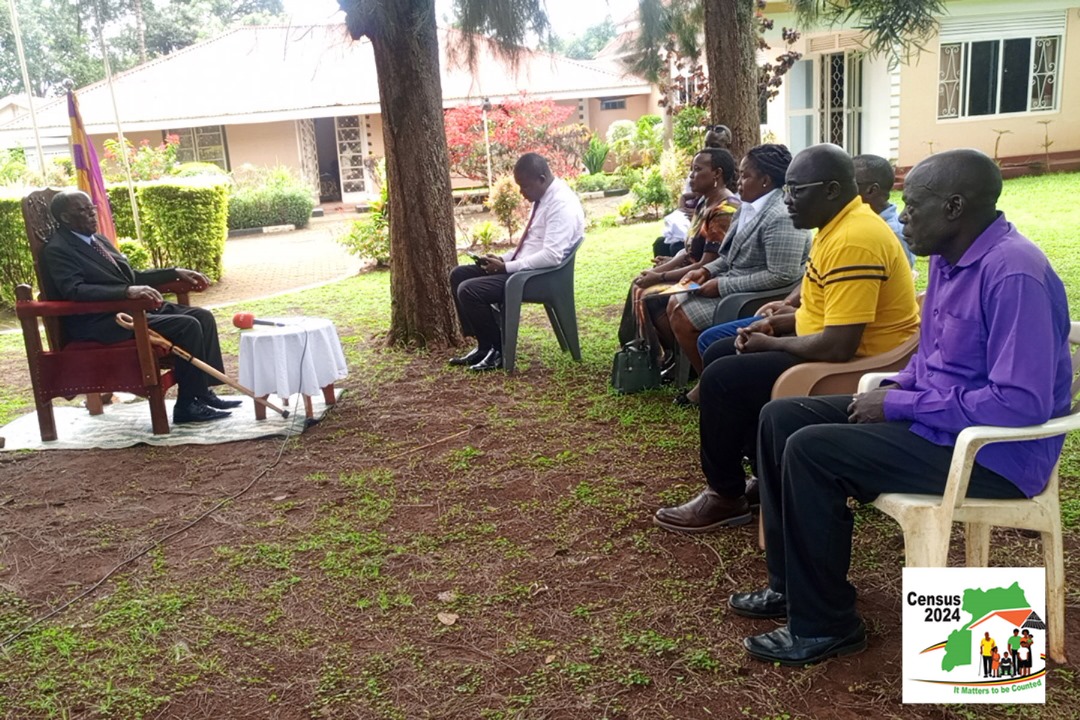
Today’s launch of Uganda’s national population and housing census marks a pivotal step towards informing the country’s future development strategies. This comprehensive survey, which began today, May 10, is strategically crafted to collect intricate data concerning the socioeconomic status and health conditions of Uganda’s populace. Anticipated to serve as a cornerstone in policymaking, the census is poised to facilitate the alignment of public services and infrastructure with the evolving needs of Ugandan citizens.
The questionnaire, meticulously crafted to capture a wide array of data, focuses heavily on functional difficulties, mental health, and economic activity, addressing some of the most pressing issues facing the nation today.
“This census is about understanding our people at a granular level. It’s about identifying the specific needs of different communities so that we can plan better and act more effectively,” said a government spokesperson during the launch.
Functional Difficulties and Accessibility
One of the standout aspects of this census is its detailed inquiry into functional difficulties, such as issues with seeing, hearing, mobility, and communication. Questions such as “Does [NAME] have difficulty in seeing, even if he/she is wearing glasses?” and assessments of hearing and walking difficulties are designed to quantify the extent of disabilities within the population. The data aims to guide the improvement of accessibility and medical support services across the country.
Mental Health Insights
Reflecting a growing awareness of mental health issues, the questionnaire delves into aspects of psychological well-being. It includes questions on how frequently individuals feel worried, nervous, or anxious, and their experiences of sadness or emotional extremes. Insights into social behaviors are also sought, with questions about individuals’ level of social engagement and any changes in their interest in pleasurable activities. “Understanding mental health trends is crucial for shaping effective public health responses, especially in post-pandemic recovery efforts,” noted a health official.
Economic Activities and Livelihoods
Economic activity is another focal point of the survey, with several questions designed to uncover the primary and secondary economic engagements of individuals. The questionnaire seeks to differentiate between those engaged in activities for personal consumption and those whose efforts are directed towards market sales. This distinction is vital for economic planning and support, particularly in rural areas where subsistence farming is prevalent.
The government has expressed high hopes that the insights gained from this census will not only inform immediate policy decisions but also lay a foundation for long-term strategic planning. “The data we collect now will influence our development trajectory for years to come,” the spokesperson added.
As the survey has rolled out across the country, the cooperation of all households is being sought to ensure comprehensive data collection. The results of the census are expected to be pivotal in driving Uganda’s development agenda forward, addressing both immediate and systemic challenges faced by its population.
Top of Form
