
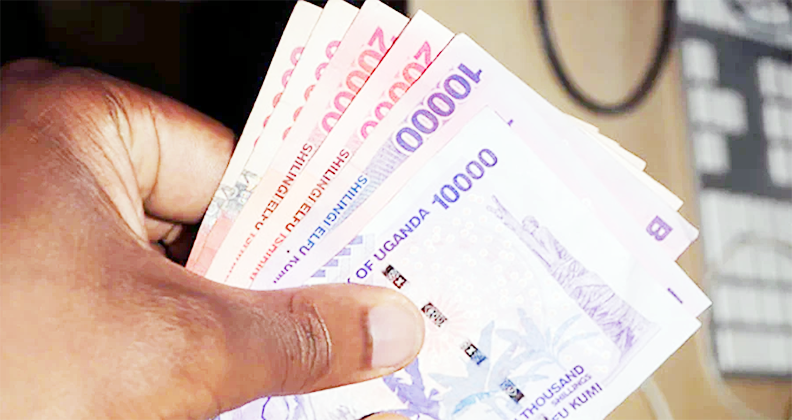
KAMPALA – On paper, Uganda ended 2025 on a reassuring note. Inflation, the steady rise in the cost of living that quietly shapes daily life, stood at 3.1 percent in December, exactly where it had been the month before. For policymakers at the Bank of Uganda, that number signals control, discipline, and a degree of macroeconomic calm.
But beneath that calm surface, the story is far more complicated.
For millions of households, especially in cities and low-income communities, December’s Consumer Price Index (CPI) reveals an economy where stability coexists with mounting pressure. Food is getting more expensive. Fuel costs are creeping back up. And essential services like education and healthcare continue to rise at a pace that outstrips overall inflation. The headline figure may be steady, but everyday life is becoming less predictable.
Uganda’s annual headline inflation remained at 3.1 percent in December 2025, suggesting that overall price growth is still comfortably within the central bank’s target range. Core inflation, which strips out volatile items such as food and fuel, also eased slightly, dropping from 3.2 percent in November to 3.1 percent.
This moderation points to relative stability in manufactured goods and many services. Yet inflation is no longer evenly distributed. Instead, it is concentrating in the very items households cannot avoid.
Food Prices Surge, Hitting Kitchens First
Food crops emerged as one of the biggest pressure points. Inflation in this category rose to 4.4 percent year-on-year, driven by sharp spikes in fresh produce. Cabbage prices jumped by an eye-watering 35.7 percent compared to last year. Green pepper rose by 25.2 percent, while passion fruit prices increased by 11.1 percent.
These are not abstract statistics. They translate directly into higher market bills and smaller portions, especially for urban families who rely heavily on purchased food. What makes the surge more worrying is how sudden it has been. Just a month earlier, several of these items were either falling in price or barely rising at all. The reversal points to supply disruptions, possibly linked to seasonal patterns, weather variability, or transport challenges, that can quickly destabilize household budgets.
On a month-to-month basis, the volatility was even more striking. In December alone, cabbage prices soared by 32 percent, while green pepper jumped 15.2 percent, underscoring how vulnerable food markets remain to short-term shocks.
Energy prices also added to the strain. Inflation in the energy, fuel, and utilities category rose to 1.4 percent year-on-year, reversing earlier declines. Charcoal prices increased by 5.3 percent, firewood by 4.9 percent, and petrol prices rebounded with a 1.4 percent rise after falling in previous months.
For many households, especially those without access to electricity, rising solid fuel costs are particularly painful. They affect not just transport, but cooking, heating, and small-scale businesses. These increases likely reflect a mix of domestic demand pressures and exposure to global fuel market fluctuations.
Services Tell a Different Story
While goods inflation cooled, services continued to heat up. Service-sector inflation stood at 4.0 percent, driven by transport, travel, and leisure-related costs. Air transport prices climbed, and the cost of holiday packages surged by 15.2 percent year-on-year.
This rise hints at a post-pandemic recovery in travel and hospitality, particularly among middle- and higher-income consumers. It also explains why inflation feels uneven: for those spending more on services, life is getting noticeably more expensive, even as headline inflation appears tame.
Monthly Inflation Picks Up Momentum
December also marked a turning point in short-term trends. After falling slightly in November, monthly inflation rose by 0.5 percent. Transport costs increased by 1.7 percent, services by 0.7 percent, and food crops by 0.3 percent.
These monthly movements matter because they can foreshadow future inflation if they persist. A few months of similar increases would quickly erode the sense of stability suggested by annual figures.
Beyond food and fuel, several essential services continue to register stubbornly high inflation. Education costs rose by 7.6 percent year-on-year, driven by higher tuition and related fees across all levels. Health services inflation reached 4.3 percent, with inpatient care and other medical services becoming more expensive.
Housing, water, and utilities inflation climbed to 2.5 percent, led by sharp increases in water supply charges, which rose by 8.3 percent. Electricity and gas services also recorded modest price increases.
These are not discretionary expenses. Persistent inflation in these sectors deepens inequality, as lower-income households spend a larger share of their income on essentials and have little room to adjust.
A Country Experiencing Inflation Unevenly
Inflation in December also varied sharply by location and income group. Kampala’s high-income households recorded the highest inflation rate at 4.2 percent, largely due to their greater exposure to rising service costs such as healthcare and recreation. Masaka followed at 3.7 percent.
Mbale, by contrast, recorded inflation of just 1.0 percent, helped by falling prices for household equipment. These differences highlight how inflation is shaped not just by national trends, but by local consumption patterns, income levels, and supply chains.
What It Means for Policy—and for 2026
For the Bank of Uganda, the December figures provide cautious reassurance. Stable headline and core inflation give policymakers room to avoid aggressive interest rate changes. But the composition of inflation tells a more delicate story.
Rising food and fuel prices, climate uncertainty, global energy volatility, and logistical constraints all pose risks that monetary policy alone cannot fix. At the same time, persistent inflation in education and healthcare points to deeper structural challenges in service delivery.
As Uganda enters 2026, the task ahead is not simply to keep inflation low, but to make it fairer and less volatile. That will likely require targeted fiscal measures, improved supply chains, and sector-specific reforms, rather than blunt tools that risk slowing the economy without easing household pain.
Uganda’s inflation may be stable for now. But stability, as December’s data shows, does not always mean comfort.