
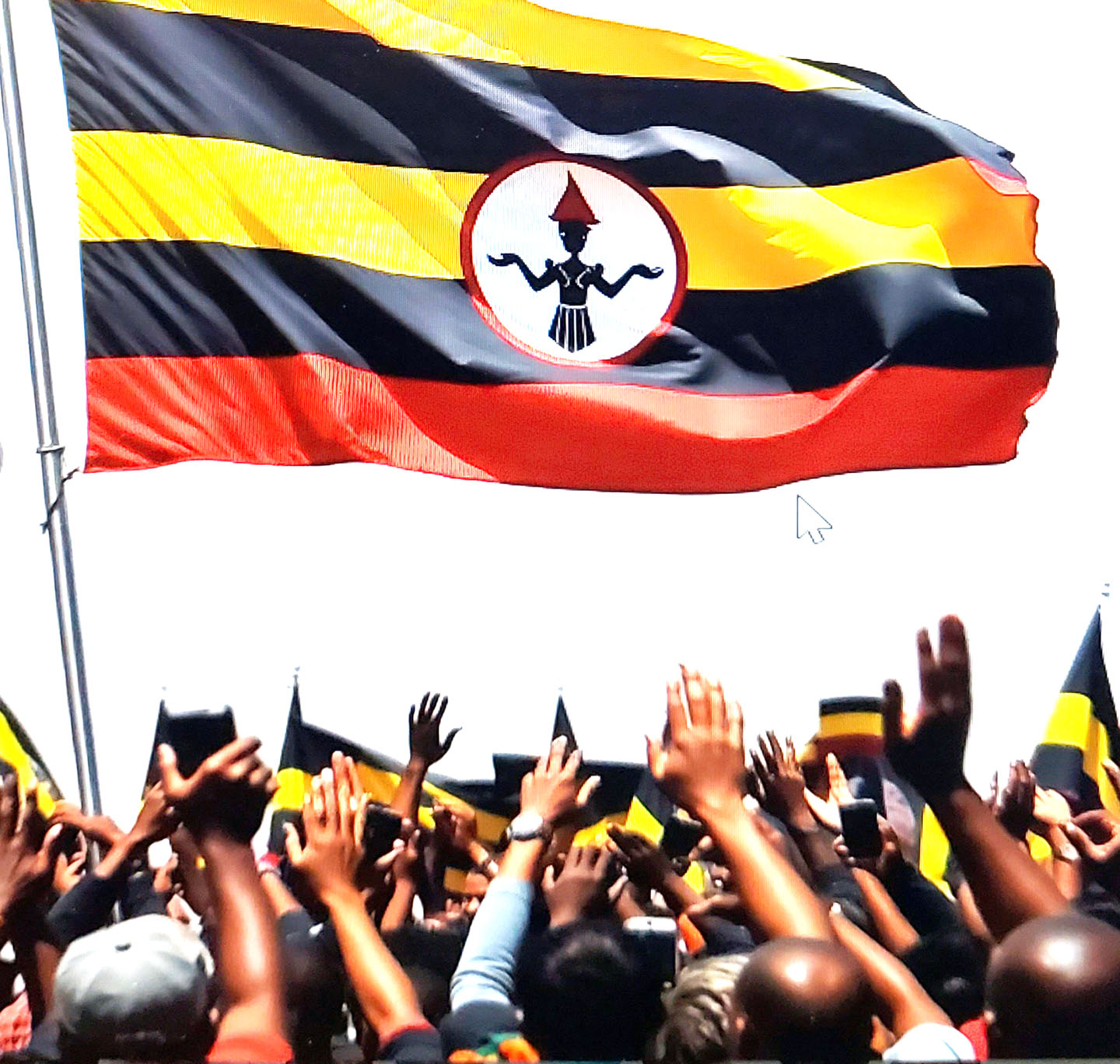
KAMPALA – In Uganda, politics has never been just about power, it’s about survival, identity, and hope. As the 2026 general elections draw near, the country is witnessing a democratic spectacle unlike any before: more than 83,000 candidates fighting for just 45,500 positions. From village councillors to members of parliament, the sheer flood of contenders has turned ballots into battlegrounds and campaign posters into wallpaper. Behind the numbers lies a deeper story—of restless youth chasing opportunity, of fractured parties struggling for control, and of a nation where the promise of democracy collides with the hard realities of economic survival.
The Electoral Commission’s nomination figures offer a glimpse into the architecture of Uganda’s political contest. Out of 2,025 candidates nominated for the 353 directly elected parliamentary seats, there is, on average, one MP slot for every six hopefuls. That ratio of roughly 6:1 means intense competition in most constituencies, a reflection of how political power, especially at the national level, remains both coveted and concentrated.
For the 146 district and city women’s Representative positions, 640 candidates are in the running, translating to an average of four contenders per seat. Women’s representation, long a cornerstone of Uganda’s affirmative action policy, continues to attract significant interest, suggesting that gender-based parliamentary seats remain an important entry point for women into politics.
At the local government level, the numbers are equally revealing. A total of 521 candidates will compete for 146 district and city chairperson seats, roughly three contenders per post. These positions, often seen as springboards for national influence, have become power centers in their own right, managing local budgets and development priorities.
Taken together, Uganda’s 2026 election will feature an average of nearly two candidates for every elective post nationwide, a sign that even at the grassroots, politics remains a defining feature of social and economic mobility.
“This level of participation reflects both opportunity and strain,” said one political analyst interviewed for this story said. “On one hand, it shows that Ugandans see politics as a viable path to influence and livelihood. On the other, it underscores the absence of alternative pathways for social advancement outside the political arena.”
Indeed, many analysts view Uganda’s growing candidate pool as a symptom of a larger structural paradox. While multiparty democracy has widened political space since its restoration in 2005, the economy has not expanded at a comparable pace to absorb youth energy and ambition. For many, politics is not just public service, it is survival.
According to data from the Uganda Bureau of Statistics, nearly 70 percent of the population is under 30, and youth unemployment remains one of the country’s highest challenges. Against this backdrop, the political arena offers visibility, access to networks, and, potentially, a livelihood.
“Politics has become a parallel economy,” said Makerere University lecturer and governance expert. “For many candidates, contesting—even without winning—is a way to assert relevance, build a name, and sometimes position themselves for appointments or business opportunities.”
But the surge also exposes deeper questions about the sustainability of Uganda’s democratic machinery. The cost of campaigns, estimated at tens of billions of shillings collectively, will test both candidates and institutions. The Electoral Commission faces logistical pressure to manage such a vast election, from ballot design to voter education and security.
In 2021, Uganda recorded more than 18 million registered voters. With over 80,000 candidates now jostling for their attention, experts warn of voter fatigue, vote-splitting, and confusion, especially at local levels where ballots are crowded with names.
The high number of candidates, particularly independents, also points to growing internal fractures within political parties. Discontent over primary results, as seen in both the ruling National Resistance Movement (NRM) and opposition parties like the National Unity Platform (NUP), has pushed many aspirants to run solo.
Still, the breadth of participation may be viewed as a democratic strength. As campaigns intensify across the country, Uganda’s 2026 elections are shaping up to be one of the most competitive—and complicated—in recent memory. Behind the numbers lies a deeper story: a young nation where politics is not just about ideology, but identity, opportunity, and belonging.
Whether this explosion of candidates strengthens democracy or strains it will depend not just on how Ugandans vote, but on what kind of governance follows once the dust of campaigning settles.