
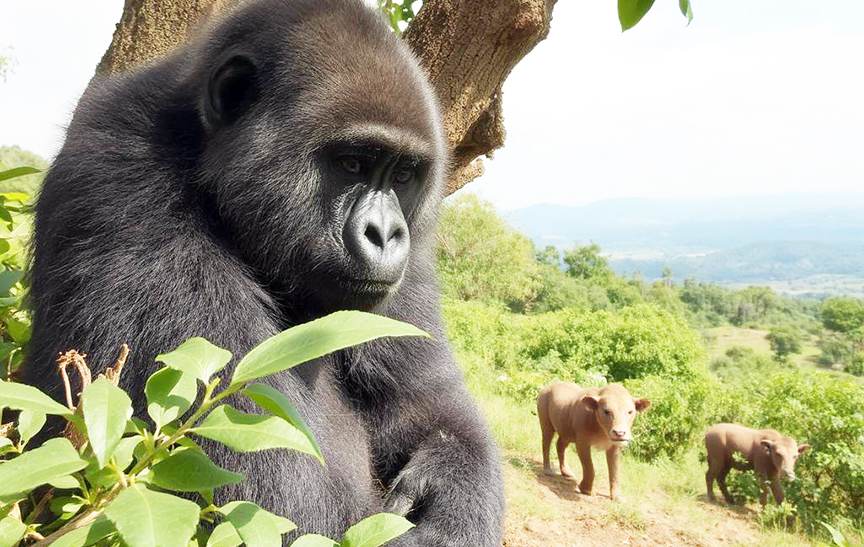
Kampala, February 13, 2025 – Uganda’s natural wealth is unparalleled, boasting some of the most biodiverse ecosystems on the planet. From the mist-covered forests of Bwindi, home to more than half of the world’s remaining mountain gorillas, to the sprawling savannahs of Queen Elizabeth and Murchison Falls National Parks teeming with elephants, lions, and buffalo, Uganda is a conservation stronghold in Africa. As the nation prepares to commemorate the 2025 United Nations World Wildlife Day, its tourism potential is under the spotlight, driven by remarkable wildlife population recoveries, ongoing conservation challenges, and the urgent need for sustainable financing solutions.
Uganda’s Biodiversity: A Global Conservation Treasure
Uganda’s biodiversity ranks among the richest in the world. It is home to 53.9 percent of the world’s mountain gorilla population, 11 percent of all recorded bird species, 8 percent of global mammal diversity, and 19 percent of Africa’s amphibian species richness. These staggering figures place Uganda among the most ecologically significant destinations globally, making its conservation efforts not just a national priority but a matter of international importance.
According to the Ministry of Tourism, Wildlife, and Antiquities (MTWA), the country’s diverse wildlife is not only a national treasure but a key driver of economic growth. “Our natural heritage is a major source of tourism, employment, and community income,” said Minister Tom R. Butiime in a statement ahead of World Wildlife Day 2025. The intrinsic value of Uganda’s wildlife is reflected in the country’s ability to attract tourists seeking close encounters with rare species, particularly mountain gorillas, elephants, and Uganda Kobs.
Wildlife Population Recoveries: A Conservation Success Story
Uganda’s conservation efforts have yielded impressive results, with several species rebounding from near-extinction. The mountain gorilla population in Bwindi Impenetrable National Park has grown from 400 in 2015 to an estimated 500 individuals, with births now outpacing deaths. The other major gorilla population shared between Uganda, Rwanda, and the Democratic Republic of Congo, stood at 604 individuals in 2016, demonstrating the success of cross-border conservation initiatives. This growth has reinforced Uganda’s position as the world’s premier gorilla trekking destination, attracting thousands of tourists each year.
Similarly, elephant numbers, which had plummeted from 30,000 in the 1960s to just 1,900 by 1995, have made a dramatic recovery, rising to 7,975 individuals by 2020. The southern white rhino population, which had disappeared from Uganda, has grown from just 8 individuals in 2006 to 42 by mid-2023, thanks to conservation efforts at Ziwa Rhino Sanctuary. Other notable species recoveries include buffalo populations, which rose from 18,000 in 1995 to over 44,163 in 2020, and Uganda Kobs, which rebounded from 30,000 in 1995 to 175,590 by 2020, surpassing even their 1960 levels.
These population rebounds have direct implications for tourism. More thriving wildlife populations mean greater opportunities for safari experiences, boosting the appeal of Uganda’s national parks and game reserves. The resurgence of key species also reflects the success of anti-poaching measures, habitat restoration, and community-led conservation projects.
The Economic Impact of Wildlife Conservation
Uganda’s tourism sector, largely dependent on its rich biodiversity, contributes 5.5 percent of the national GDP, with wildlife-based tourism providing thousands of jobs, especially in rural areas near protected areas. The industry supports local economies by creating employment for rangers, guides, hotel staff, and tour operators, while also benefiting community-run conservancies that receive revenue from conservation levies.
Minister Butiime emphasized the importance of wildlife to Uganda’s economic stability: “Wildlife conservation is both an environmental and economic need. Uganda’s tourism industry generates significant revenue and employment, particularly in communities surrounding protected areas.” This economic argument underscores the necessity of sustained investment in wildlife protection and eco-tourism infrastructure.
Poaching and Illegal Trade Threaten Sustainability
Despite its successes, Uganda’s conservation sector faces critical threats that could undermine future growth. Poaching and illegal wildlife trade remain persistent problems, with species like chimpanzees, lions, and leopards still targeted for bushmeat and body parts. Human-wildlife conflict is another major issue, as expanding human settlements encroach on wildlife habitats, leading to retaliatory killings of elephants, hippos, and carnivores.
Climate change poses an additional threat, altering habitats and reducing the availability of food and water sources for wildlife. Unchecked deforestation and habitat destruction also exacerbate pressures on species already vulnerable to extinction. According to the MTWA, more efforts are needed to “halt threats such as poaching, retaliatory killings, and encroachment on wildlife habitats, particularly for keystone species like lions, cheetahs, and leopards.”
Financing Conservation: A Call for Investment
The 2025 World Wildlife Day theme, “Wildlife Conservation Finance: Investing in People and Planet,” highlights the urgent need for sustainable funding mechanisms. Traditionally, wildlife conservation has been viewed as a government expense rather than an investment opportunity. This outdated perception has led to chronic underfunding, despite the substantial economic benefits the sector provides.
The Ministry of Tourism, Wildlife, and Antiquities recognizes the importance of innovative financing models. “Mobilizing financial resources for wildlife at the scale required demands a collaborative approach involving governments, financial institutions, businesses, and civil society,” Minister Butiime stated. Public-private partnerships, eco-tourism revenue reinvestment, and community-based conservation initiatives are key to securing long-term conservation funding.
International organizations and conservation groups are increasingly investing in Uganda’s biodiversity, but local and regional investment remains crucial. The government’s commitment to leveraging international agreements, such as the Convention on Biological Diversity and the Convention on Migratory Species, further demonstrates Uganda’s global leadership in conservation.
Maximizing Uganda’s Tourism Potential: The Path Forward
To fully realize its tourism potential, Uganda must balance conservation with sustainable financing and community involvement. Expanding wildlife corridors, improving law enforcement against poaching, and strengthening climate adaptation measures will be critical in securing the long-term viability of Uganda’s biodiversity.
Government initiatives such as the 10-year Strategic Action Plan for Large Carnivore Conservation, set to be launched in 2025, mark an essential step in preserving apex predators like lions, cheetahs, and leopards. Ensuring that local communities benefit directly from conservation will also reduce human-wildlife conflict and create incentives for wildlife protection.
Uganda’s remarkable conservation successes, its biodiversity richness, and its rebounding wildlife populations position the country as one of Africa’s premier eco-tourism destinations. However, sustained financial investment, stronger legal frameworks, and greater community involvement will determine whether the country’s wildlife tourism sector thrives or declines in the years to come.
With World Wildlife Day 2025 emphasizing the need for financial sustainability, Uganda stands at a pivotal moment in shaping its conservation future. By leveraging its natural assets, adopting innovative funding models, and ensuring inclusive community participation, Uganda can cement its reputation as a global leader in conservation and wildlife tourism.