
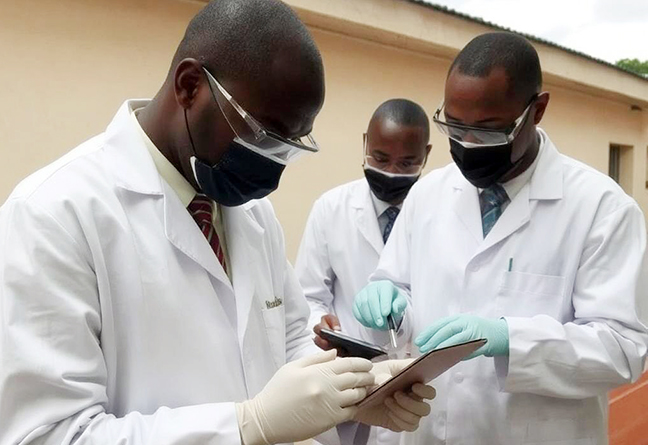
Kampala – February 12, 2025 – The Directorate of Forensic Services (DFS) in Uganda had a transformative year in 2024, marked by significant advancements in forensic technology, increased case volumes, and persistent operational challenges. The DFS plays a critical role in supporting Uganda’s criminal justice system, providing scientific evidence that enhances the integrity and accuracy of criminal investigations. This year’s performance reflects both the growing reliance on forensic science in crime-solving and the structural challenges that come with expanding operations.
With over 2,994 forensic analysis requests received and 42,416 crime scenes processed, the DFS’s workload highlights its central role in tackling crime across the nation. At the same time, the report sheds light on resource gaps, including backlogs in forensic analysis and infrastructure limitations, which threaten to undermine the effectiveness of these critical services. This analysis delves into the DFS’s key achievements, technological progress, and the challenges faced in its mission to uphold justice through forensic science.
Forensic Examination Requests and Report Clearance
In 2024, the DFS received a total of 2,994 forensic analysis requests, covering a broad spectrum of forensic disciplines such as cybercrime, questioned documents, and chemical/biological analysis. Of these, 1,805 forensic reports were successfully processed and issued, resulting in a clearance rate of 60.3 percent. While this clearance rate reflects the DFS’s growing capacity to handle a diverse range of cases, it also points to an existing gap in processing efficiency, which could have implications for timely justice delivery.
Breaking down the performance of key departments provides deeper insights into the strengths and weaknesses within the DFS. The Questioned Documents Department issued 627 reports, addressing cases of document forgery, land title disputes, and financial fraud investigations. The Cyber Crime Department produced 446 reports, primarily tackling bank fraud, unauthorized digital access, and online harassment. Meanwhile, the CBRNE-A Department (focused on Chemical, Biological, Radiological, Nuclear, and Explosives analysis) issued 256 reports, reflecting the specialized nature of its work in areas like toxicology, drug analysis, and explosives detection.
The relatively lower clearance rates in departments like CBRNE-A highlight the complexities involved in handling highly specialized forensic tasks, while the higher volume of reports from the Questioned Documents and Cyber Crime departments suggests increasing demand for forensic interventions in financial and digital crimes. The backlog of unprocessed requests signals the need for more resources and specialized personnel to improve efficiency and prevent delays in the judicial process.
Crime Scene Management
A key highlight of the DFS’s 2024 performance was the substantial increase in crime scenes processed, rising from 39,041 in 2023 to 42,416 in 2024—an 8.6 percent year-on-year growth. This rise suggests not only an increase in criminal activities but also a growing recognition of the importance of forensic evidence in crime investigations.
The most frequently processed crime categories included malicious damage (5,132 cases), theft (5,050 cases), and murder (3,623 cases). The high number of malicious damage and theft cases points to prevalent property-related crimes, while the significant number of murder cases underscores the DFS’s crucial role in homicide investigations. Other notable categories included criminal trespass (3,239 cases), burglary and theft (2,806 cases), and defilement (2,309 cases), which involved sensitive handling of sexual offenses, particularly against minors.
Monthly trends showed fluctuations in crime scene processing, with January recording the highest number of processed crime scenes (3,715), and February the lowest (3,231). The year ended with a noticeable spike in December (3,842 cases), indicating potential seasonal trends in criminal activity.
The DFS’s ability to process such a large volume of crime scenes reflects its growing operational capacity. However, the increase in workload also underscores the need for additional forensic officers, logistical support, and improved crime scene processing techniques to maintain the quality and efficiency of investigations.
Technological Advancements and Biometric Operations
One of the most significant advancements in 2024 was the upgrading of the Criminal Automated Biometric Identification System (CABIS), which processed over 2,140,431 biometric records. This system has been instrumental in enhancing identification accuracy and linking suspects to past crimes.
The biometric data processed included Ten Prints with Palms (73,758 records), Latent Fingerprints (49,567 records), and Latent Palmprints (8,995 records). The ability to analyze latent prints—unseen fingerprints collected from crime scenes—has been crucial in solving cases that might have otherwise gone cold.
Forensic analysis linked 2,012 cases to prior criminal activities through CABIS and other forensic databases. This demonstrates the power of biometric technology in bridging the gap between current and historical crime data, significantly improving the ability of law enforcement to identify repeat offenders and solve complex cases.
Court and Legal Support
In 2024, DFS forensic experts attended 334 court sessions, a 21 percent increase from 276 sessions in 2023. These court appearances were pivotal in providing expert testimonies in high-profile cases, ensuring that scientific evidence was effectively presented and understood in judicial proceedings.
The growing number of court appearances reflects both the increasing reliance on forensic science in legal processes and the need for forensic experts to be well-versed in courtroom procedures. The ability of DFS personnel to communicate complex scientific findings in a clear and persuasive manner has strengthened judicial outcomes, contributing to more accurate verdicts based on objective evidence.
Ballistics, DNA, and Forensic Chemistry Performance
The DFS made significant strides in ballistics and tool mark analysis, processing 261 cases in 2024. Of these, 216 were firearm-related cases, while 45 involved tool-mark analysis—examining marks left by tools on objects, such as in burglary investigations. The Integrated Ballistic Information System (IBIS) registered 88 hit groupings from 58 gun-related cases, effectively linking firearms to multiple crime scenes and aiding in the tracking of illegal firearms.
In the realm of forensic biology, the DFS issued 87 DNA reports in 2024, a slight decrease from 92 reports in 2023. This decline was primarily due to delays in procuring DNA consumables, which hampered the timely processing of DNA evidence. Despite these challenges, notable forensic biology cases included the identification of 12 victims from the Kigogwa fuel tanker incident on October 22, 2024, providing crucial closure for the victims’ families.
In contrast, the forensic chemistry lab saw marked improvements, issuing 169 forensic chemistry and toxicology reports, up from 95 reports in 2023. This increase reflects enhanced laboratory capacity, timely equipment maintenance, and improved availability of reagents, leading to a higher clearance rate of 42% compared to 30% the previous year.
Operational Challenges and Backlog Management
Despite these achievements, the DFS faced significant operational challenges, particularly in managing backlogs. The latent print analysis backlog rose to 1,410 cases in 2024, highlighting the need for additional resources and personnel in this department. Similarly, delays in DNA processing due to procurement issues impacted the timely delivery of forensic reports.
To address these challenges, the DFS has outlined strategies that include upgrading forensic tools, enhancing legal frameworks, and recruiting additional personnel. These initiatives aim to improve the efficiency of forensic processes and reduce the backlog of pending cases, ensuring that forensic services can meet the growing demands of the justice system.
Conclusion and Recommendations
The 2024 Annual Performance Report of Uganda’s Directorate of Forensic Services highlights a year of substantial progress and operational growth. The DFS’s advancements in forensic technology, biometric analysis, and courtroom support have strengthened Uganda’s criminal justice system, making scientific evidence an indispensable part of legal processes.
However, persistent challenges, such as resource constraints, backlogs in forensic analysis, and infrastructure limitations, need to be addressed to sustain this progress. To this end, the DFS should focus on:
- Expanding personnel recruitment and training, particularly in specialized departments like forensic biology and latent print analysis.
- Investing in advanced forensic tools and ensuring the timely procurement of consumables to prevent delays in critical processes like DNA analysis.
- Strengthening partnerships with international forensic bodies to enhance knowledge exchange and adopt best practices.
- Enhancing legal frameworks to support the integration of forensic evidence in judicial proceedings and ensure the admissibility of scientific findings in court.
By implementing these recommendations, the DFS can continue to play a pivotal role in upholding justice through forensic science, contributing to a more transparent, efficient, and reliable criminal justice system in Uganda.