
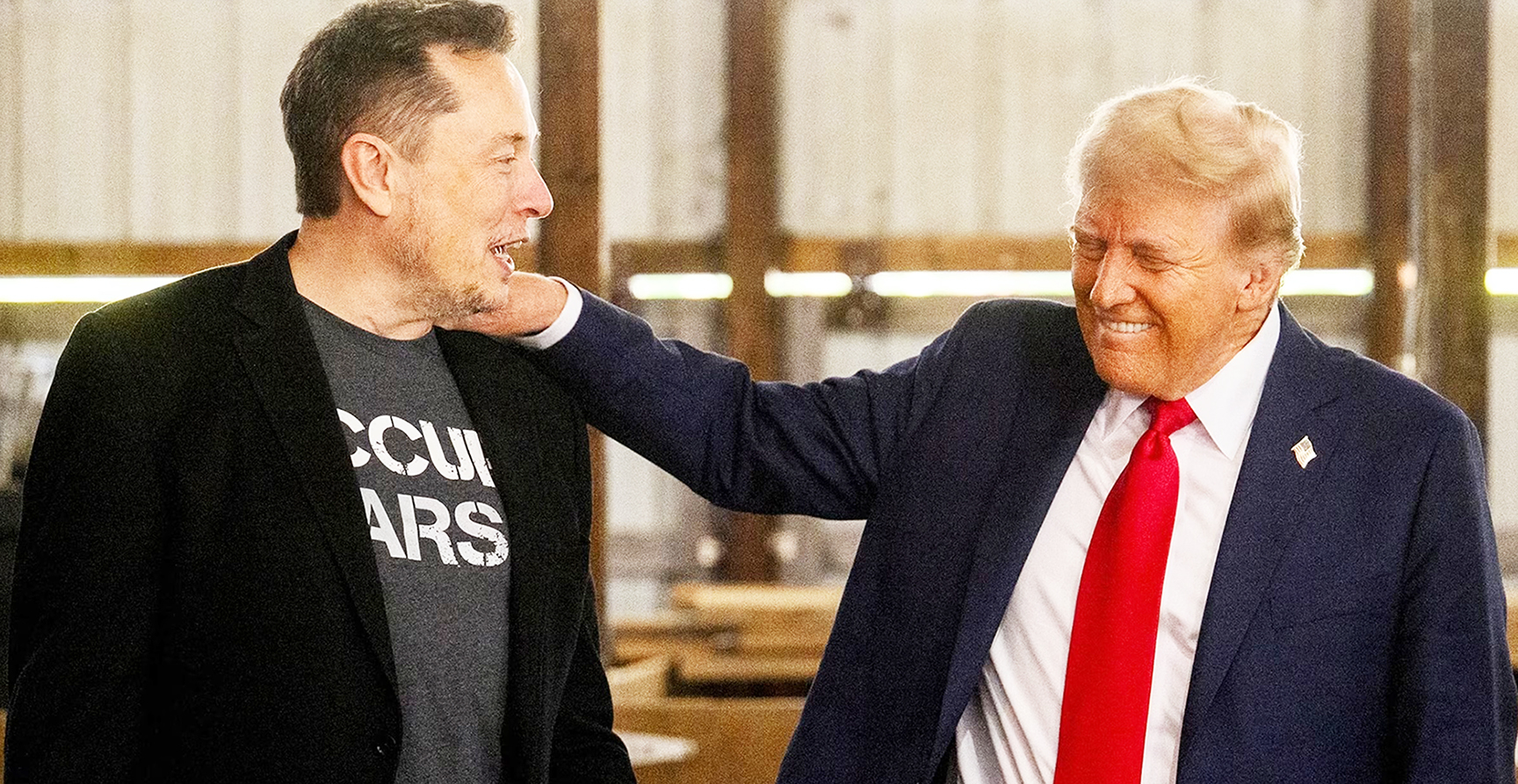
The global distribution of wealth among the richest individuals from the world’s leading economies paints a fascinating picture of economic power, technological innovation, and shifting geopolitical dynamics. Drawing on data from Forbes, this report explores how the fortunes of billionaires in countries like the United States, China, Japan, India, the UK, France, and Canada reflect broader economic trends, the industries driving these fortunes, and the implications of such wealth concentration on global and local scales.
The United States: Tech Titans and Unprecedented Wealth
In the United States, wealth is overwhelmingly concentrated in the hands of tech moguls. Elon Musk, with a staggering net worth of $414 billion, leads the pack, followed by Jeff Bezos at $254 billion and Mark Zuckerberg at $243 billion. Together, these three individuals control over $900 billion in wealth, a figure that highlights the dominance of the technology sector in the U.S. economy. Musk’s ventures, from electric vehicles with Tesla to space exploration through SpaceX, have redefined industries, while Bezos revolutionized e-commerce and cloud computing with Amazon. Zuckerberg’s Meta Platforms continues to shape digital communication and the emerging metaverse.
This immense concentration of wealth is a direct result of the U.S.’s innovation-driven economy, which is fueled by robust venture capital ecosystems, favorable intellectual property laws, and market liberalization policies that have created fertile ground for entrepreneurship. However, while these technological advancements have propelled the economy forward, they have also widened the gap between the ultra-wealthy and the average citizen, intensifying concerns over income inequality and the socio-economic divide.
China: Innovation Amid State Control
In China, the wealth landscape offers a contrasting story. The richest individuals include Zhong Shanshan, whose fortune of $54.6 billion stems from bottled water and pharmaceuticals, Zhang Yiming with $45.6 billion from founding ByteDance (parent company of TikTok), and Ma Huateng of Tencent, valued at $45.1 billion. While the tech sector is a significant contributor to wealth in China, the overall fortunes of its billionaires are notably smaller compared to their American counterparts.
This disparity reflects the Chinese government’s active role in regulating private enterprise, particularly in the technology sector. Crackdowns on companies like ByteDance and increased scrutiny on tech firms have kept fortunes in check. Zhong Shanshan’s success in more traditional industries such as bottled water through Nongfu Spring illustrates how diversified the Chinese billionaire class is, balancing between state-guided capitalism and market-driven growth. The gap between U.S. and Chinese billionaires underscores the complexities of fostering private enterprise in a country where political control remains paramount.
Japan: Industrial Stability Over Tech Spectacle
Japan’s wealthiest individuals are rooted in traditional industries, reflecting the country’s post-war economic model. Tadashi Yanai, the founder of Fast Retailing (parent company of Uniqlo), tops the list with $44.8 billion, followed by Masayoshi Son of SoftBank with $32.6 billion, and Takemitsu Takizaki of Keyence, an automation sensor company, with $19.2 billion. While SoftBank’s ventures align with global tech trends, Japan’s billionaire wealth is largely tied to manufacturing, retail, and industrial automation.
This focus on traditional industries reflects Japan’s historical strengths in precision manufacturing and export-driven growth. The moderate wealth figures compared to the U.S. and China suggest a more equitable distribution of wealth within the country, but they also indicate Japan’s slower adaptation to disruptive technologies. Factors such as a conservative corporate culture and demographic challenges, including an aging population, contribute to this dynamic.
India: Energy Giants and Tech Innovators
India’s billionaire class represents a blend of traditional energy wealth and emerging technology power. Mukesh Ambani, with $95.3 billion, has built Reliance Industries into a behemoth in energy and telecommunications. Gautam Adani, with $57.6 billion, has focused on infrastructure and energy through the Adani Group, while Shiv Nadar, worth $37 billion, has made his fortune in the technology sector with HCL Technologies.
Ambani and Adani’s dominance in energy and infrastructure highlights India’s rapid urbanization and industrialization, while Nadar’s success underscores the country’s emergence as a global technology hub. This combination of traditional and modern industries illustrates India’s economic transformation from an agrarian base to a leading player in global technology and services.
Europe: Luxury Goods and Financial Powerhouses
In Europe, wealth is concentrated in industries like luxury goods and finance. In France, Bernard Arnault leads with $183.2 billion from his LVMH empire, followed by Françoise Bettencourt Meyers with $74.8 billion from L’Oréal, and Gérard Wertheimer of Chanel at $35.8 billion. France’s billionaires have built their fortunes on luxury brands that cater to elite global markets, highlighting the country’s cultural capital in fashion, design, and high-end consumer goods.
In the UK, wealth stems from finance and industrial innovation. Michael Platt leads with $18 billion from hedge funds, followed by James Ratcliffe, with $15.6 billion from INEOS in chemicals, and James Dyson, with $13.1 billion from household appliances. The UK’s wealth landscape, while less concentrated than that of the U.S. or France, reflects its longstanding strength in finance and industrial design. However, the relatively modest figures may also indicate the broader economic uncertainty post-Brexit.
Canada: A Diverse Wealth Landscape
Canada’s wealthiest individuals represent a diverse mix of industries. David Thomson and his family lead with $71.2 billion from their media empire, Thomson Reuters. Changpeng Zhao, with $59.9 billion, has amassed his fortune from cryptocurrency through Binance, while David Cheriton, valued at $17.7 billion, has made significant investments in the tech sector.
This diversity highlights Canada’s evolving economic landscape, where traditional industries like media coexist with cutting-edge sectors like cryptocurrency and technology. Zhao’s success in digital assets reflects the growing influence of blockchain technology in wealth creation, while Thomson’s media empire underscores the enduring value of information industries in the digital age.
Global Patterns and Economic Implications
A clear pattern emerges from this wealth distribution: technology dominates global wealth creation. The U.S.’s tech billionaires far outpace their global counterparts, signaling the central role of digital platforms, AI, and green technologies in driving the 21st-century economy. However, this concentration of wealth also raises serious concerns about income inequality and the socio-economic divide between the ultra-wealthy and the broader population.
In contrast, countries like France and Japan show that traditional industries like luxury goods and manufacturing can still generate significant wealth, even in an era dominated by tech. India’s blend of energy and technology wealth illustrates the transitional nature of emerging economies, while China’s regulatory environment keeps billionaire fortunes in check, reflecting the balance between market growth and political control.
The geopolitical implications of these fortunes are equally significant. Billionaires like Elon Musk and Mukesh Ambani wield enormous influence not just in their respective industries but also in shaping global trade, energy policies, and even space exploration. As wealth continues to concentrate in the hands of a few, the ability of these individuals to impact public policy and international relations grows, raising questions about the balance of power between the public and private sectors.
Conclusion: The Future of Global Wealth
The global wealth landscape is rapidly evolving, driven by technological innovation, shifting geopolitical dynamics, and the ever-present challenge of climate change. As technology continues to dominate wealth creation, the emergence of green tech billionaires and sustainable industries may reshape the global economy in the coming decades.
While the fortunes of the world’s richest individuals highlight the potential for innovation and economic growth, they also underscore the urgent need for policies that address wealth inequality and ensure that prosperity benefits broader society. The challenge for policymakers, businesses, and civil society is to harness the power of these vast fortunes to drive sustainable development, reduce inequality, and create a more equitable global economy.