
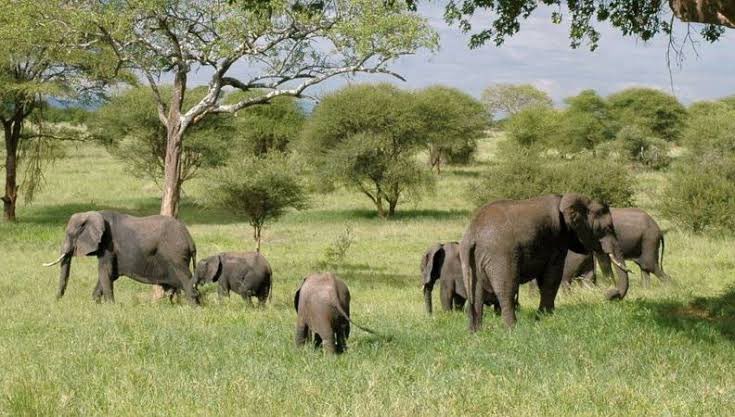
Uganda’s tourism sector showcased remarkable resilience in 2023, marking a year of recovery and transformation in one of East Africa’s key economic areas. According to the Ministry of Tourism, Wildlife, and Antiquities (MTWA) Statistical Abstract 2024, tourist arrivals surged by 56.4 percent, with the country welcoming 1,274,210 visitors—a significant rise from 814,508 in 2022. This recovery highlights Uganda’s success in recapturing 82.6 percent of its pre-pandemic tourism levels, with further growth anticipated as Uganda invests in diversifying its tourism base and exploring sustainable practices, particularly in wildlife-related tourism.
Tourist Arrivals and Growth Trends
Tourism in Uganda benefited from growing interest in both traditional overseas markets like the UK, USA, and India, as well as an unexpected surge from new markets, particularly in mainland Africa. African countries like Kenya, Rwanda, and South Sudan remained Uganda’s top African markets, jointly accounting for 80 percent of African arrivals. Additionally, the report identified a surprising rise in visitors from Bangladesh and Russia, signaling new potential for Uganda’s tourism marketing strategies.
This growth reflects pent-up demand for travel and Uganda’s expanding appeal, as both wildlife adventures and cultural experiences attract travelers globally. Uganda’s remarkable scenery, mountain gorillas, and rich biodiversity have garnered interest from new markets, with Africa seeing the largest relative increase in visitors compared to previous years.
Key Market Shifts: Emerging Overseas and African Markets
Uganda’s tourism sector saw noteworthy shifts in 2023, with Bangladesh emerging as a leading potential market, moving from seventh place in 2022 to the top in 2023. Russia also made its debut in the top 10 overseas markets, signaling that Uganda’s appeal is extending beyond traditional tourism sources. This shift suggests that Uganda’s marketing efforts could benefit from targeting audiences in South Asia and Eastern Europe, as both regions have demonstrated a growing interest in African tourism.
For African tourism, Kenya, Rwanda, and South Sudan held strong as leading sources of visitors. In a new development, Burundi rose in rank, moving from sixth to fourth place, with a 2.9 percent to 4 percent increase in its market share. Tanzania, in contrast, fell in the ranking, suggesting that regional competition for tourism revenue remains a factor to consider.
Wildlife Exports: Trophy Hunting and Live Animal Trade
The MTWA report also sheds light on Uganda’s wildlife-related tourism, which includes both sport hunting and the export of live animals under the Uganda Wildlife Act of 2019. Trophy hunting in particular remains popular among tourists, with buffalo and bushbuck leading in terms of export share. New entrants like eland have also captured interest, demonstrating the growing diversity in Uganda’s sport hunting attractions.
In live animal exports, the Leopard tortoise topped the list, followed by the Indian Peafowl. These exports are regulated by CITES permits to ensure compliance with conservation standards. While wildlife exports provide additional revenue streams, they raise questions about Uganda’s balance between sustainable tourism and wildlife protection, as over-extraction and demand could impact conservation efforts.
Challenges and Opportunities in Wildlife Export Practices
Wildlife exports, while lucrative, present Uganda with complex challenges. The balancing act between supporting tourism-driven wildlife trade and maintaining healthy populations of native species requires stringent oversight. As demand grows for certain trophy species, Uganda faces the risk of overharvesting unless clear, enforceable conservation policies are in place. This challenge is compounded by the need for greater transparency and regulation in live animal exports, an area where Uganda can enhance its global reputation by prioritizing ethical standards.
Opportunities exist for Uganda to embrace eco-tourism as a sustainable model for wildlife tourism. By shifting focus from trophy hunting to non-extractive tourism experiences, Uganda can generate revenue while preserving biodiversity. Additionally, implementing and promoting eco-certifications for operators could enhance Uganda’s appeal to environmentally-conscious tourists.
Looking Forward: Strategies for Sustainable Growth
To sustain positive growth, Uganda’s tourism sector could benefit from several strategic approaches. Expanding marketing efforts in emerging markets like Bangladesh and Russia can diversify the tourism base by tailoring campaigns to South Asian and Eastern European travelers. Embracing eco-tourism by establishing eco-friendly guidelines and certifications would align Uganda with global sustainability trends, positioning the country as a responsible wildlife and adventure destination. Strengthening wildlife conservation policies through stricter quotas and monitoring can safeguard wildlife populations, ensuring that trophy hunting and other activities remain sustainable. Addressing infrastructure gaps, especially in less accessible regions, would enhance the visitor experience, improve accessibility, and encourage longer stays. Lastly, building partnerships with international conservation organizations could provide essential funding and expertise, while public-private collaborations can drive investment into conservation-focused tourism initiatives, supporting Uganda’s long-term environmental goals.
Conclusion: Uganda’s Path Toward a Resilient Tourism Industry
Uganda’s strong tourism rebound in 2023 highlights the sector’s resilience and potential for growth. With strategic planning focused on sustainability and market diversification, Uganda has a unique opportunity to leverage its natural assets while addressing environmental concerns. Uganda’s tourism industry stands at a pivotal juncture, where careful planning and targeted investments can transform short-term gains into long-term success. Embracing sustainable tourism practices, engaging emerging markets, and fostering a stronger conservation framework will not only support Uganda’s economic goals but also reinforce its position as a premier destination in East Africa.