
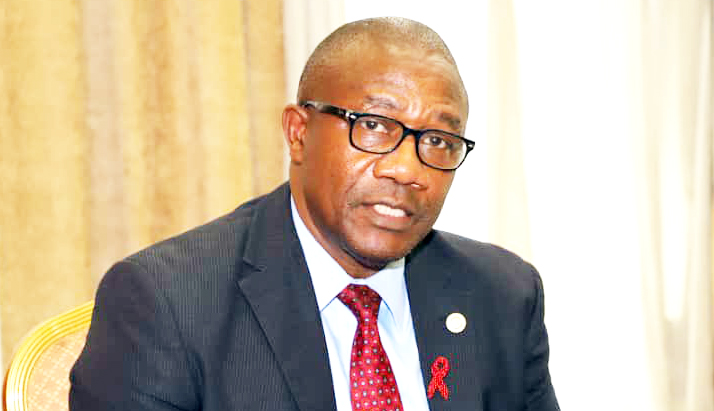
KAMPALA – Uganda has long been recognized as a leading force in combating HIV/AIDS in sub-Saharan Africa. Over the decades, the country has made remarkable progress in reducing new infections, expanding access to treatment, and raising public awareness. Yet, despite the commendable strides, the epidemic remains a significant threat, particularly for vulnerable groups such as adolescent girls and young women. As the Uganda AIDS Commission (UAC) prepares for its 3rd annual national HIV/AIDS symposium under the theme “Accelerating Interventions to End AIDS by 2030,” the nation’s commitment to eradicating the epidemic is facing renewed scrutiny. The symposium, alongside the “Wear the Red Ribbon” campaign, seeks to bolster national efforts to reduce HIV/AIDS transmission and care for those already affected. But achieving the ambitious target of ending the epidemic by 2030 will require sustained interventions, increased funding, and strategic focus on the most at-risk populations.
Progress in Combating HIV/AIDS: Uganda’s Achievements
Uganda’s progress in addressing the HIV/AIDS crisis has been significant. According to Dr. Vincent Bagambe, the the Director of Planning and Strategic Information at Uganda Aids Commission (UAC), the country has managed to dramatically reduce its HIV prevalence rate from 18 percent in the 1990s to just 5.1 percent today. This reduction is largely attributed to public health campaigns, increased antiretroviral treatment (ARVs) access, and robust preventive measures. Furthermore, the number of new infections has dropped from 68,000 to 38,000 per year, while AIDS-related deaths have decreased from 30,000 to 20,000 annually.
One of the most notable achievements is the reduction of mother-to-child HIV transmission. In 2017, 8,800 infants were born with HIV, but that figure has since fallen to 4,700 in 2024. This progress reflects the success of Uganda’s Prevention of Mother-to-Child Transmission (PMTCT) programs, which have expanded significantly.
The treatment landscape has also improved. Dr. Bagambe revealed that 92 percent of Uganda’s estimated 1.49 million people living with HIV are aware of their positive status, and over 90 percent of them are receiving ARV therapy. This high level of treatment coverage is essential for suppressing the virus and preventing its spread to others. However, despite these positive figures, challenges remain, particularly when it comes to targeting high-risk groups.
Vulnerabilities Among Women and Adolescents
While the national statistics show encouraging trends, HIV/AIDS continues to disproportionately affect women and adolescent girls. Out of the 38,000 new infections reported annually, 22,000 occur among females, especially those aged 15 to 24 years. This age group is particularly vulnerable due to several socio-economic and cultural factors, including gender-based violence, limited access to education and health services, and societal expectations that expose young women to a greater risk of contracting HIV.
Addressing these vulnerabilities requires targeted interventions that focus on empowering young women, improving sexual and reproductive health education, and tackling harmful gender norms. Uganda’s HIV response cannot afford to overlook these populations if it hopes to achieve the 2030 target of ending the epidemic.
National Campaigns and Symposium: Strategies for Awareness and Action
The upcoming national HIV/AIDS symposium, slated for November 2024, and the “Wear the Red Ribbon” campaign are designed to strengthen Uganda’s response by mobilizing key stakeholders and raising public awareness. These initiatives are part of a broader strategy to evaluate ongoing efforts and chart the path forward.
The symposium will feature the release of the Annual Joint AIDS Review report, which provides critical insights into the successes and gaps in Uganda’s HIV/AIDS programs. It will also host a dialogue on financing options for the HIV response, a key issue given the declining international funding in recent years. Moreover, the event will honor the legacy of Philly Lutaya, a Ugandan musician who was one of the first public figures in Africa to openly declare his HIV-positive status, helping to destigmatize the disease.
The “Wear the Red Ribbon” campaign is another important aspect of the awareness-raising effort. By encouraging Ugandans to wear the red ribbon, the campaign aims to foster solidarity with those living with HIV and prompt individuals to take actionable steps—such as testing for HIV, practicing safe sex, and adhering to ARV treatment if positive. Dr. Bagambe emphasized that wearing the red ribbon should be more than a symbolic gesture; it should inspire behavioral change and proactive engagement in HIV prevention.
Financial Challenges and the Role of the Government
Despite these initiatives, Uganda’s fight against HIV/AIDS faces significant financial challenges. The UAC’s work has historically been supported by development partners, but these contributions have dwindled in recent years. For instance, the UAC requested UGX 60.88 billion for the 2022/2023 fiscal year, but only UGX 19.7 billion was appropriated, leaving a substantial funding gap of UGX 41.18 billion. This shortfall has affected key activities such as tribunal hearings, case investigations, and essential prevention and treatment services.
To fill this gap, the UAC has called on the government to prioritize funding for HIV/AIDS programs. Without adequate resources, the country risks backsliding on the gains made over the past decades. At the same time, it is critical to strengthen public-private partnerships and explore innovative financing mechanisms to ensure that the response remains sustainable in the long term.
Uganda’s Role in the Global Fight Against HIV/AIDS
Globally, the HIV/AIDS epidemic continues to affect millions, though significant progress has been made in reducing new infections. According to the World Health Organization (WHO), 39.9 million people were living with HIV/AIDS at the end of 2023. While the number of new infections has decreased by 39 percent since 2010, over 1.3 million people still acquired HIV in 2023 alone. Uganda’s commitment to ending AIDS by 2030 aligns with international efforts to curb the epidemic, but it is clear that the global community must maintain its focus on high-prevalence countries like Uganda.
Uganda’s leadership in the fight against HIV/AIDS, particularly in the early days of the epidemic, has served as a model for other nations. However, sustaining this leadership role will require concerted efforts, including continued collaboration with international partners and adherence to global health frameworks. The country’s response, particularly its commitment to ending AIDS by 2030, should be seen as part of a larger global movement to achieve the same goal.
Conclusion: The Road to 2030
As Uganda accelerates its efforts to end HIV/AIDS by 2030, it is clear that much has been achieved, but significant challenges remain. Vulnerable populations, particularly adolescent girls and young women, must be at the center of any effective strategy, while financial constraints need urgent attention. Campaigns like the national symposium and the “Wear the Red Ribbon” initiative offer hope for continued progress, but Uganda will need strong political will, sustained funding, and community engagement to ensure the epidemic is brought to an end.
With the global community’s continued support, Uganda can stay on track to achieve its 2030 target. But as the battle against HIV/AIDS enters its final stretch, there is no room for complacency—the stakes are simply too high.