
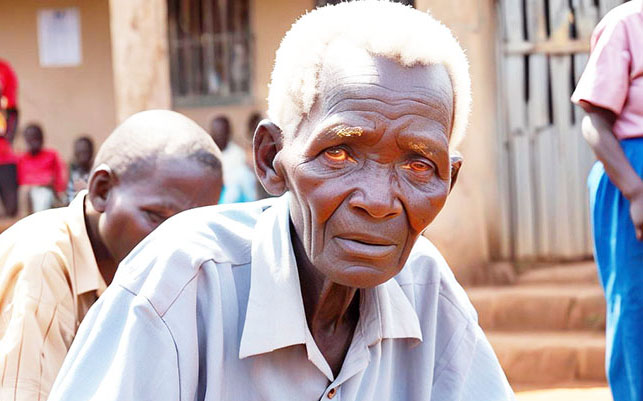
KAMPALA: A 2023 study on elder abuse and neglect in rural Uganda, conducted by Maria Atim and colleagues, has revealed alarming levels of abuse among the elderly attending outpatient clinics. The study found that many older persons are subjected to various forms of abuse, including physical, sexual, domestic, psychological, financial abuse, and neglect. The findings underscore a significant public health and social issue affecting one of the country’s most vulnerable populations.
According to the study, physical abuse—defined as the use of physical force that results in injury, pain, or impairment—affects approximately 25 percent of older persons in Uganda. Sexual abuse, which includes any non-consensual sexual contact with an older person, affects an estimated 6.8 percent of the elderly population. Domestic violence, involving intimate partner violence used to exert power and control, impacts nearly 44.7 percent of older persons. The most prevalent form of mistreatment, however, is psychological abuse, with about 49 percent of older adults suffering from threats, humiliation, or other forms of mental anguish.
The study also highlighted financial abuse, where an estimated 46.8 percent of older persons experience the illegal or improper use of their funds, property, or resources. Additionally, neglect and isolation, the failure of caregivers to meet their responsibilities or older persons failing to care for their own essential needs, was found to be the most widespread form of abuse, affecting 86 percent of elderly individuals in Uganda.
These findings were disclosed by the Minister of State for Elderly Affairs, Hon. Gidudu Mafwabi Dominic, during a press briefing on September 25, 2024. The minister’s announcement came ahead of Uganda’s commemoration of the International Day of Older Persons on October 1, a day observed globally since 1991 and in Uganda since 1999. He stressed that the event serves to raise awareness about the needs and concerns of older persons, while also taking stock of the achievements made in improving services for the elderly.
“The population of older persons, both in Uganda and globally, has been increasing over the years,” Hon. Dominic stated, citing United Nations projections that the global elderly population is expected to rise from the current 761 million to 2.1 billion by 2047. He also highlighted findings from Uganda’s 2024 Population and Housing Census, which reported that persons aged 60 years and above now make up 5 percent of the country’s population of 46 million—equivalent to 2.3 million older individuals. This marks an increase from the 1.7 million older persons registered in 2016/17.
The minister noted several positive steps Uganda has taken since the inception of the International Day of Older Persons. He pointed to the success of the Special Enterprise Grant for Older Persons (SEGOP), which has supported 9,932 older individuals engaged in small enterprises across 181 local governments. The program has aimed to enhance economic empowerment and improve livelihoods for older persons through diverse economic activities.
Another significant achievement is the provision of monthly entitlements to 307,123 older persons aged 80 and above under the Social Assistance Grants for Empowerment (SAGE) program. Although each older person receives only shs 25,000 per month, the Minister highlighted that this modest stipend, paid quarterly, has significantly improved the lives of many elderly citizens and enhanced the government’s responsiveness to their needs.
Furthermore, the Ministry has produced Uganda’s first-ever State of Social Protection Report, which analyzes the status of social protection efforts in the country and tracks progress toward national commitments like Uganda Vision 2040, the National Development Plan, and the Sustainable Development Goals.
Despite these achievements, Hon. Dominic also acknowledged several challenges hindering the success of programs aimed at supporting older persons. He noted that less than 3% of older individuals are benefiting from the Parish Development Model (PDM). Many vulnerable elderly persons are being excluded from PDM Savings and Credit Cooperatives (SACCOs) due to perceptions that they lack the capacity to borrow and repay loans. The Minister expressed concern that it is both morally and practically unfair to expect frail elderly individuals, particularly those above 70, to participate in repayment schemes.
Additionally, Hon. Dominic highlighted a significant budget shortfall in the SAGE program. Due to a UGX 21 billion budget cut, an estimated 63,000 senior citizens over the age of 80 risk losing their monthly support unless the error is corrected. The Minister expressed hope that the Ministry of Finance would address this issue through a supplementary budget of 3%.
As Uganda prepares to join the international community in marking the International Day of Older Persons, the government is reflecting on both its successes and ongoing challenges in providing for the needs of its growing elderly population. The day will serve as a reminder of the importance of protecting older persons from abuse and neglect while continuing to promote their rights and well-being in society.