
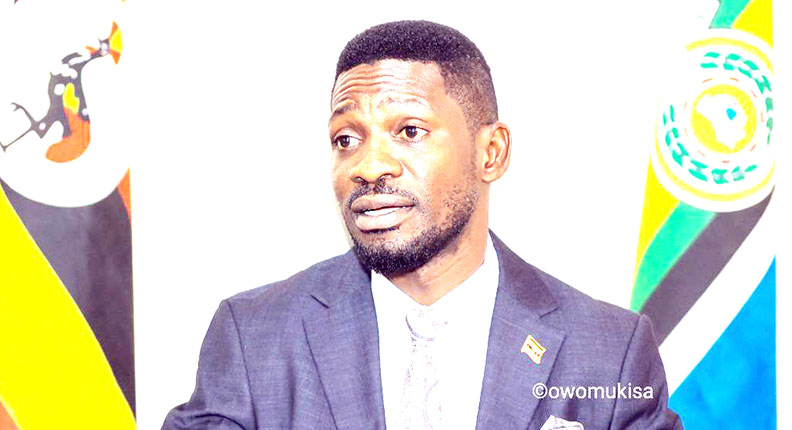
Speaking on Thursday, a day after the UK announced sanctions against three Ugandan officials—Speaker of Parliament Anita Among, and former Ministers Gorreti Kitutu and Agnes Nandutu—for allegedly embezzling funds intended for impoverished communities in Karamoja, Robert Kyaggulanyi, president of the opposition National Unity Platform, emphasized the significance of international sanctions. “Travel bans, asset freezes, and other sanctions may not put the corrupt and brutal officials behind bars for messing up our country, but they deny them the opportunity to travel, invest stolen funds, and enjoy life in other countries that have their act together—countries whose leaders have sacrificed to make life better for their citizens!” he stated.
These sanctions, which include asset freezes, and travel bans, as outlined by the UK’s Foreign, Commonwealth, and Development Office, represent the first implementation of the UK’s Global Anti-Corruption Sanctions regime aimed at individuals linked to corruption in Uganda. Anita Among had previously been implicated in a scandal involving the diversion of iron sheets meant for Karamoja. Although she returned the 500 pieces she was accused of misappropriating and has not been formally charged, the sanctions suggest a deeper examination of her actions and their implications.
Parliament spokesperson Chris Obore hinted that the sanctions might also be influenced by Among’s support for the Anti-Homosexuality Act of 2023, indicating a complex political backdrop.
At a press conference, Kyagulanyi, also known as Bobi Wine, argued that sanctions serve to prevent regime officials from escaping the consequences of their actions. “They re-assert the duty of civilized nations: to never sit by and look on as the actions of a few individuals threaten the lives and livelihoods of whole countries,” he explained.
Highlighting the systemic issues within Uganda, Kyagulanyi criticized the pervasive impunity that protects high-ranking officials from accountability. “These regime officials have destroyed and looted Uganda just because they think they can enjoy life with their families in developed countries, using money stolen from Uganda’s taxpayers. Now it is time for them to lay in the bed that they have made. They will have to stay in Uganda, use Ugandan hospitals, Ugandan roads—and even start using Ugandan cosmetics.”
Kyagulanyi’s call for more extensive international sanctions reflects a broader appeal to the international community to intensify measures against the Ugandan regime, which he accuses of capturing and disabling the country’s accountability mechanisms. This impunity allows officials like Among to evade justice despite substantial evidence of their misconduct, leaving citizens with limited options for recourse.