
C-NEWS BUREAU CHIEF
The decision of Speaker Anita Among to block debate on the corruption allegations against her and Parliament during Friday’s plenary session presents both pros and cons, reflecting a complex situation with implications for accountability, transparency, and public trust.
The spotlight has been cast upon Parliament by a coalition of voices, including the digital public square, Agora Discourse, Makerere University lecturer Dr. Jimmy Spire Ssentongo, and Agatha Atuhaire, a journalist and lawyer. Utilizing X, a micro-blogging service and social network, these activists have orchestrated a public campaign aimed at holding Parliament accountable for what they perceive as wasteful expenditure of public funds. Here’s an analysis of the pros and cons:
Pros:
By directing the House to proceed with receiving Ministerial Statements and Budget Estimates, Speaker Among ensured that essential legislative functions were not disrupted by potentially distracting allegations. This prioritization of core parliamentary responsibilities can be seen as upholding the integrity of the legislative process.
Anita Among’s refusal to engage with what she terms “hearsay” and “cooked” allegations on social media may stem from a desire to avoid legitimizing unverified information or engaging in speculative discourse. This stance could prevent the spread of false information and uphold the principle of innocence until proven guilty.
Given the sensitive nature of corruption allegations and their potential to disrupt parliamentary proceedings, the Speaker’s decision to limit discussion on the matter may aim to maintain order and decorum within the House. This could contribute to the smooth functioning of parliamentary activities without undue distractions.
Cons:
By refusing to directly address the corruption allegations, Speaker Among may be perceived as evasive and unwilling to be transparent or accountable to the public. This can erode trust in parliamentary institutions and raise questions about their commitment to combating corruption and upholding ethical standards.
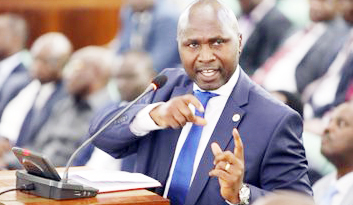
Critics, such as Rwemiyaga Member of Parliament Theodore Sekikubo, argue that blocking debate on the allegations undermines the oversight function of Parliament, as enshrined in the Constitution. By avoiding scrutiny and discussion of the allegations, Parliament may fail in its duty to hold itself accountable and address concerns raised by the public.
The perception of Parliament as unwilling to address allegations of corruption head-on can damage public trust in democratic institutions and the rule of law. Without transparent and accountable responses to such allegations, citizens may feel disenfranchised and disillusioned with the efficacy of parliamentary governance.
In conclusion, while Speaker Anita Among’s decision to block debate on corruption allegations may aim to maintain parliamentary order and focus on legislative duties, it also raises concerns about accountability, transparency, and public trust. Balancing the need to uphold parliamentary integrity with the imperative to address allegations of misconduct is a delicate task, requiring careful consideration of the broader implications for democratic governance and institutional credibility.