
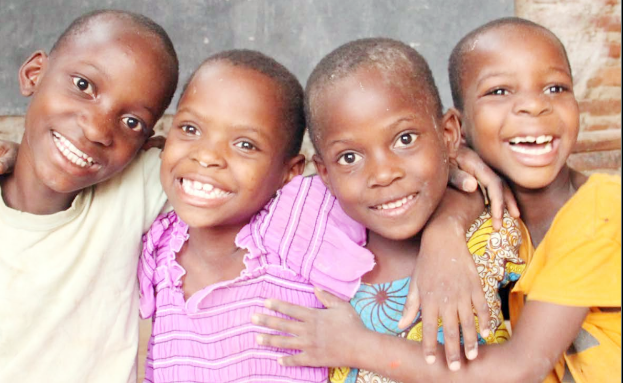
KAMPALA – In its latest economic update, the World Bank emphasizes Uganda’s critical juncture as a “pre-dividend” country with a young and growing population. This demographic trend presents a unique opportunity for economic growth, contingent on the productive potential of its future workforce. However, achieving this demographic dividend hinges on significant improvements in human capital investment.
The Human Capital Index (HCI) reveals that a child born in Uganda today will achieve only 38% of their potential productivity without proper investment in health and education. The country’s low HCI score, particularly in education, is a primary concern. Ugandan children are expected to complete 6.8 years of schooling by age 18, but when adjusted for learning quality, this figure drops to just 4.3 learning-adjusted years of schooling (LAYS), indicating a gap of 2.5 years.
Uganda’s investment in public education has been consistently low, falling below both international benchmarks and regional averages. While policies have expanded access to primary and secondary education, the quality of education and equitable access remain significant issues. Public spending is pro-poor at the primary level but becomes progressively regressive, with postsecondary education almost inaccessible to the poorest households.
The World Bank report identifies several challenges contributing to Uganda’s poor educational outcomes: low completion rates, poor learning outcomes, high repetition rates in primary schools, under-provision of early childhood education, and cost-related barriers to secondary education completion, particularly among girls.
To address these challenges and capitalize on the demographic transition, the report outlines five key recommendations for the Ugandan government and stakeholders:
- Increase Education Spending: Gradually raise education funding, prioritizing basic education and skill development over tertiary education expansion.
- Introduce Quality Pre-Primary Education: Implement one year of high-quality pre-primary education within the public education system.
- Reform the Teaching Profession: Improve teacher compensation, accountability, and support.
- Utilize Technological Solutions: Address systemic inefficiencies in education through technology.
- Reduce Out-of-Pocket Education Costs: Make education more accessible by lowering direct costs to families.
Implementing these recommendations is crucial for Uganda to leverage its demographic transition, achieve long-term development objectives, and ensure equitable access to high-quality education. The report underscores that a substantial increase in public education spending is necessary for Uganda to realize its potential and secure a prosperous future.