

KAMPALA – Uganda’s cities are about to change—visibly, structurally, and, for many, economically.
A $540 million (about Shs 2.1 trillion) urban development programme backed by the World Bank is being positioned not just as an infrastructure upgrade, but as a direct intervention in livelihoods. At its core is a promise that resonates far beyond policy circles: at least 20,000 permanent jobs, alongside thousands more short-term opportunities tied to construction, waste management, transport, and urban services.
For a country where youth unemployment and informal work dominate, that number carries weight. It signals not just employment, but the possibility of more stable income, jobs tied to systems that cities rely on every day.
The programme, known as the Uganda Cities and Municipalities Infrastructure Development (UCMID) initiative, will run over six years and target a wide spread of urban centres, from established regional cities like Gulu and Mbarara to fast-growing municipalities such as Mityana and Nebbi. It will also extend into refugee-hosting districts—areas where economic pressure is often most acute.
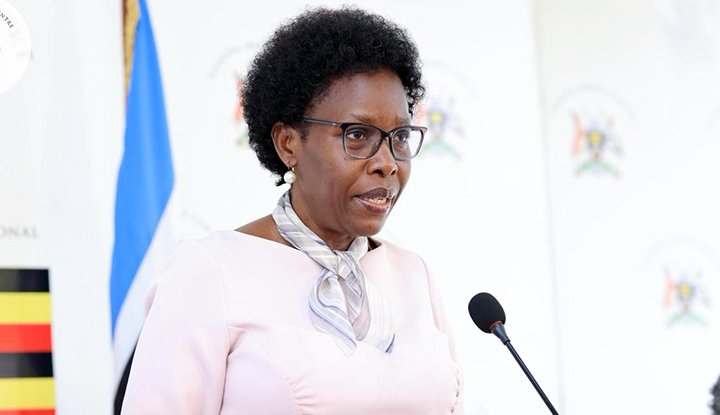
Government officials are framing the project as a turning point. “The programme will directly benefit an estimated 5.6 million people, including 1.6 million in refugee-hosting areas,” Lands Minister Judith Nabakooba said.
But the real story lies in how those benefits will be felt on the ground.
At one level, the changes will be physical. Roads will be expanded and improved, making it easier and cheaper to move goods and people. Drainage systems will be upgraded, reducing the floods that regularly disrupt businesses and damage property. Waste management systems will be modernised, creating cleaner environments while opening up jobs in collection, recycling, and processing.
These aren’t abstract improvements. For a trader in Jinja or a market vendor in Mbale, better roads can mean faster deliveries and lower transport costs. For households in flood-prone areas, improved drainage can mean fewer losses during heavy rains. And for young people entering the workforce, waste management and urban services could offer new, more structured forms of employment.
Officials argue that these changes will ripple outward. Lower business costs could make it easier for small enterprises to survive and grow. More efficient cities could attract investment. And as incomes rise, spending within local economies could increase, creating further opportunities.
“The creation of jobs, coupled with better infrastructure and market access, will strengthen local economies and improve livelihoods,” Nabakooba said.
There is also a longer-term calculation at play. Uganda is urbanising rapidly. Just over a quarter of the population currently lives in urban areas, but that figure is growing faster at more than 5 percent each year. By 2030, cities are expected to absorb an additional 8.1 million people.
That surge presents both a risk and an opportunity. Without planning, it can lead to congestion, unemployment, and the spread of informal settlements. But with the right investments, it can drive economic growth. Urban areas already generate about 70 percent of Uganda’s GDP, despite hosting less than a third of its population.
The UCMID programme is designed to tilt that balance toward opportunity.
Part of its strategy is to shift economic activity beyond Kampala. By strengthening regional cities and municipalities, the government hopes to reduce pressure on the capital while creating new centres of growth. Economic corridors, linking cities through improved transport and infrastructure, are expected to play a key role.
“This programme marks the next phase of Uganda’s urban reform agenda,” Nabakooba said, adding that it will “enable small and medium enterprises, especially those employing youth and women, to thrive.”
Still, the scale of the ambition raises familiar questions. Large infrastructure projects often promise transformation, but their impact depends on execution, how quickly projects are delivered, how transparently funds are used, and whether the benefits reach those who need them most.
There is also the issue of sustainability. Jobs created during construction may be temporary, while long-term employment will depend on whether new systems, waste management, urban services, logistics are maintained and expanded.
Yet even with those uncertainties, the direction of travel is clear. The programme is not just about building roads or drainage channels. It is about reshaping how cities function, and, in doing so, how people earn a living within them.
For many Ugandans, the success of UCMID will not be measured in kilometres of road or billions spent. It will be measured in something simpler: whether it makes daily life easier, incomes more stable, and the future a little more predictable.
