
ZURAH NAKABUGO
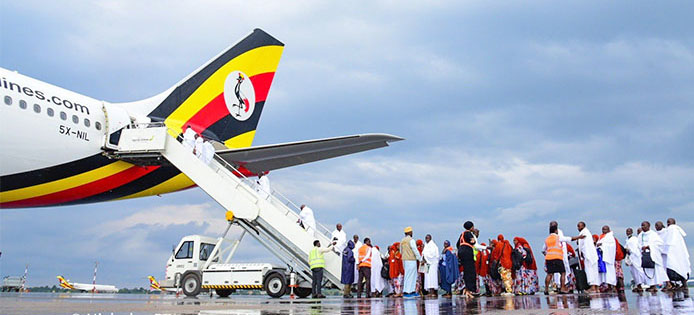
At least 500 Ugandan Muslims flew to Saudia Arabia this week to perform the Islamic spiritual rituals of the Hajj or Pilgrimage ahead of the Eid al-Adha celebrations due on Wednesday, June 28.
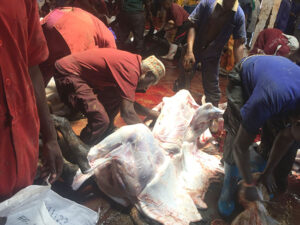
After the Pilgrimage in Saudi Arabia’s holly cities of Medinah and Mecca, Muslims celebrate Eid al-Adha by slaughtering animals (especially sheep, goats and cows) in remembrance of Prophet Ibrahim’s willingness to sacrifice his only son [Ismail] for Allah.
In a press statement earlier this week, Uganda Airlines said 500 Ugandan Muslims were booked on their flight to Saudi Arabia for the annual Pilgrimage. This is the first time in 40 years for Uganda Airlines to operate a direct flight from Entebbe to Saudi Arabia.
However, on Monday, June 19, some of the pilgrims missed the flight after their visas were delayed by the issuing Saudi authorities.
According to the Saudi Arabian minister of Hajj and Umrah, Dr Tawfiq bin Fawzan Al-Rabiah, they expected to receive two million pilgrims during Hajj season this year.
Last year, about 900,000 pilgrims were allowed to perform Hajj. Before the Covid-19 struck, an estimated 2.5m people performed Hajj in 2019 but the number has reduced due to restrictions and effects of pandemic on global economies.
ABOUT EID al-ADHA
Eid al-Adha is the second of two Islamic festivals celebrated by Muslims all over the world. The first, Eid al-Fitr, was celebrated in April to mark the end of Ramadan period of fasting.
Eid al-Adha is considered the holier of the two Islamic festivals. This festival marks the prophet Ibrahim’s willingness to sacrifice his only son Ismail for Allah, but his son was then replaced with a lamb.
“The celebration rotates around when Allah appeared to Ibrahim in a dream and asked him to sacrifice his son, Ismail, as a sign of his faith or commitment to Allah,” Sheikh Yasir Kulumba, the secretary for Religious Affairs at Kibuli Mosque said.
He says it is similar to the Christian and Jewish stories in which God asked Abraham to sacrifice his son Isaac, but spared him from doing so.
“To commemorate the tale, an animal is sacrificed and divided into three parts in an act known as Qurbani (share). One part of the sheep is given to the poor, one to the immediate family at home and one is reserved for relatives and friends,” Kulumba says.
He advised Muslims to give out slaughtered meat to different people including non-Muslims.
Some Muslims may give money to charity to give poorer families the chance to have a proper Eid feast. Mosques and community groups will often arrange communal meals.
Prophet Muhammad said a person who performs Hajj properly “will return as newborn baby [free of all sins]”.
Sheikh Haidari Kizza, the vice Chairman Hear Uganda, a humanitarian organization says, they expect to slaughter about 350 cattle only, during Eid al-Adha’s celebrations which will last for three days, ending on the evening of Friday, June 30.