
Uganda’s external sector has witnessed significant shifts in 2024, characterized by growth in exports, record-high foreign direct investment (FDI), and a narrowing trade deficit. These developments, alongside stable inflation and exchange rate performance, reflect a positive trajectory in the country’s economic landscape. However, challenges remain in debt management, particularly concerning the issuance of domestic debt. In this analysis, we break down key trends, explain the economic terms, and assess the implications for Uganda’s future economic outlook.
Coffee Exports Surge, Narrowing the Trade Deficit
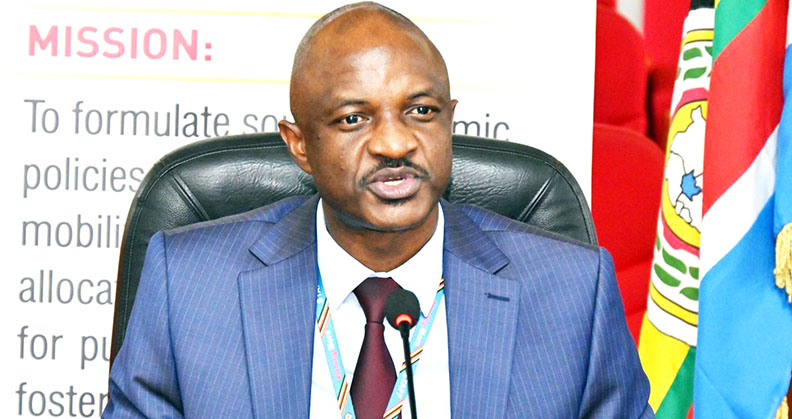
One of Uganda’s most notable export achievements in 2024 has been the remarkable growth in coffee exports. Coffee remains one of the country’s key export commodities, with its value increasing by an impressive 82.2 percent, from USD 121.64 million in August 2023 to USD 221.63 million in August 2024. This surge in coffee exports has played a crucial role in narrowing Uganda’s merchandise trade deficit, which decreased to USD 314.1 million in August 2024 from USD 342.8 million the previous year, Ramathan Ggoobi, the Permanent Secretary/ Secretary to the Treasury, Ministry of Finance Planning and Economic Development (MoFPED), said, Tuesday, while releasing highlights of expenditure limits for the second quarter of the financial year 2024/25 in Kampala.
A merchandise trade deficit occurs when a country imports more goods than it exports. Uganda’s narrowing trade deficit was driven by a significant increase in export receipts, which grew by 17.9 percent year-on-year, reaching USD 789.58 million in August 2024. This growth in exports has helped offset the rising import bill, highlighting the critical importance of exports such as coffee to Uganda’s economy.
Foreign Direct Investment (FDI) Hits Record High
Foreign direct investment (FDI) inflows into Uganda also reached new heights, with USD 3.034 billion recorded in the fiscal year 2023/24, up from USD 2.951 billion in 2022/23. FDI is a major contributor to economic growth, involving investment from foreign entities into the country’s assets or businesses. The steady increase in FDI inflows reflects ongoing investment in Uganda’s oil and gas sector as the country prepares for its first oil production expected in 2025/26.
FDI plays a vital role in boosting infrastructure, creating jobs, and enhancing technological transfer, particularly in sectors like oil and gas that require substantial capital. This inflow demonstrates confidence from foreign investors in Uganda’s economic potential, driven by the expected benefits from oil production.
Remittances Return to Pre-COVID Levels
Remittances, which represent money sent by Ugandans living abroad to family and friends back home, have also bounced back to pre-COVID levels. In the fiscal year 2023/24, remittances amounted to USD 1.292 billion, reflecting the global economic recovery from the pandemic’s disruptions. Remittances are an essential source of income for many Ugandan households and help to support consumption and investment in the local economy.
Debt Management and Domestic Financing
Uganda’s government has also been active in managing its debt and financing requirements. By October 15, 2024, the government had issued domestic debt amounting to UGX 6.825 trillion. Of this, UGX 3.475 trillion was used to refinance maturing debt (also known as roll-over), and UGX 3.350 trillion was allocated for general budget activities through net domestic financing (NDF).
Net domestic financing refers to the process by which the government borrows from the domestic market to finance its budget. It involves issuing government securities such as treasury bonds and bills to raise funds. The government’s issuance of domestic debt represents 32% of the target for the fiscal year 2024/25, indicating a front-loading approach to meet financing needs while managing debt sustainability.
The government remains committed to maintaining a sustainable debt position, stating that it will only borrow when the cost is affordable and within internationally recognized benchmarks. This approach aims to balance financing needs with fiscal responsibility, ensuring that debt levels remain manageable.
Inflation and Exchange Rate Stability
Uganda’s inflation environment has remained stable, with annual headline inflation declining to 3.0 percent as of September 2024. This decline is primarily attributed to good harvests, which have led to lower food prices, coupled with the central bank’s effective monetary policy.
Inflation refers to the general increase in prices over time. Headline inflation captures the overall change in prices, including volatile items such as food and energy. Uganda’s central bank has played a key role in controlling inflation by maintaining a steady monetary policy. In response to the favorable inflation outlook, the Central Bank reduced the Central Bank Rate (CBR) from 10% to 9.75% in October 2024. The CBR is the rate at which the central bank lends to commercial banks, and a reduction often leads to lower interest rates for borrowers.
The Ugandan shilling has also maintained relative stability against the US dollar, appreciating by 0.33% in September 2024. The average mid-rate of the shilling stood at UGX 3,711.31 per USD, compared to UGX 3,723.65 per USD in August. This exchange rate stability has been supported by increased export revenues, particularly from coffee, which have offset strong corporate demand for financing imports.
Conclusion: A Positive Outlook with Challenges
Uganda’s external sector performance in 2024 reflects several positive trends, including the substantial growth in coffee exports, record-high FDI inflows, and a return to pre-COVID remittance levels. Inflation remains subdued, and the Ugandan shilling has shown resilience against the US dollar. However, challenges remain, particularly in managing the country’s domestic debt and ensuring that borrowing is sustainable.
With first oil production expected in 2025/26, the country’s economic prospects appear bright, especially if investments in the oil and gas sector continue to attract foreign capital. The government’s focus on responsible debt management and maintaining macroeconomic stability will be critical in ensuring that Uganda remains on a path to sustainable growth.