
Close Menu
C-News
  • News
    • World
  • Politics
  • Business
    • Technology
    • Careers
  • Lifestyle
    • Entertainment
    • Travel
  • World News
  • Sports

Subscribe to Updates

Get the latest creative news from FooBar about art, design and business.

What's Hot

KCCA’s Crackdown Changed Kampala — But Not the Poverty Beneath It

May 7, 2026

Inside Kampala’s Secretive Crime Hub

May 6, 2026

What the World Bank’s 2026 Outlook Means for Uganda

April 30, 2026
Facebook X (Twitter) Instagram
Trending
  • KCCA’s Crackdown Changed Kampala — But Not the Poverty Beneath It
  • Inside Kampala’s Secretive Crime Hub
  • What the World Bank’s 2026 Outlook Means for Uganda
  • How a Water-Rich Uganda Can Feed East Africa
  • How Water, Not Oil, Will Decide Next Superpower
  • MTN Opens Kabale Innovation Hub in Youth Jobs Push
  • From $53Bn to $500Bn Economy: Here’s The Bold Plan Behind It
  • What South Asia’s Slowdown Means for Uganda
X (Twitter)
C-News
  • News
    • World
  • Politics
  • Business
    • Technology
    • Careers
  • Lifestyle
    • Entertainment
    • Travel
  • World News
  • Sports
C-News
Home»Business»World Bank Warns: Uganda on a Debt and Youth Tightrope
Business

World Bank Warns: Uganda on a Debt and Youth Tightrope

By Chief EditorJanuary 29, 2026No Comments2 Mins Read
Facebook Twitter Pinterest LinkedIn Tumblr Email
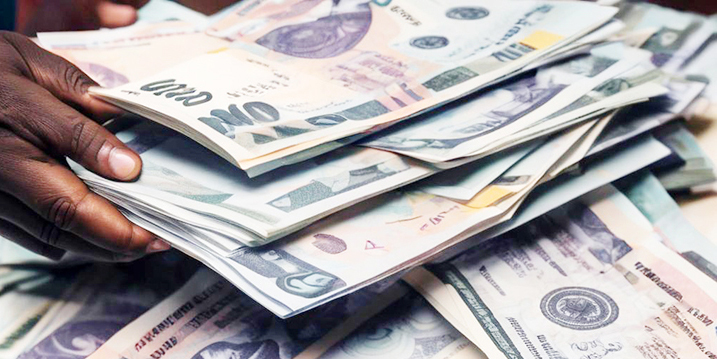
The image is used for illustration purposes only.
Share
Facebook Twitter LinkedIn Pinterest Email

KAMPALA – Uganda’s economic future is starting to look less like a straight road and more like a tightrope.

The World Bank’s Global Economic Prospects report places countries like Uganda in a precarious category: frontier market economies. These are states with growing exposure to global finance, but without the deep buffers enjoyed by advanced or large emerging economies. The promise is access to capital. The risk is sudden collapse.

The warning signs are already there. Since 2020, more sovereign defaults have occurred in frontier markets than in all other economies combined. Over the past two decades, nearly 40 percent of these countries have experienced some form of default.

Uganda is not among them—yet. But the margin for error is narrowing.

Debt servicing costs are rising. Export earnings remain vulnerable to global shocks. Aid budgets are shrinking as donor countries turn inward. At the same time, Uganda faces one of the fastest-growing youth populations in the world, part of the 1.2 billion young people globally expected to enter the workforce by 2035.

This is where the World Bank’s message sharpens.

Resilience, it argues, is no longer enough. What matters now is reform. The report strongly pushes for credible fiscal rules, clear limits on spending and borrowing that anchor expectations and rebuild trust. More than half of emerging and developing economies now use such rules, and where they are well designed, budget balances improve measurably.

But rules only work if institutions do. Adopted too late, or enforced too weakly, they become paper promises.

For Uganda, the deeper challenge lies beyond fiscal mechanics. Job-creating sectors, agriculture value chains, light manufacturing, tourism, and digital services remain underpowered. Private capital is cautious. Investors want stability, policy predictability, and credible governance before committing long-term money.

The risk, the report implies, is not sudden collapse but slow erosion: rising frustration among young people, thinner public services, and a debt burden that crowds out future choices.

Uganda’s decade, the World Bank makes clear, will be defined not by global trends but by domestic decisions. Reform now, and the country could still turn its youth bulge into an advantage. Delay and resilience may harden into stagnation.

The tightrope is there. The question is whether Uganda can keep its balance—or whether the safety net disappears first.


Share. Facebook Twitter Pinterest LinkedIn Tumblr Email
Chief Editor
  • Website

Related Posts

From $53Bn to $500Bn Economy: Here’s The Bold Plan Behind It

April 22, 2026

What South Asia’s Slowdown Means for Uganda

April 21, 2026

No More Scare Tactics! A Bold New Insurance Sales Pitch Has Arrived in Uganda

April 16, 2026
Top Posts

Opening Ceremony FIFA World Cup Qatar 2022

November 21, 2022

Musk lifts Donald Trump’s Twitter ban after a poll

November 23, 2022

Angry protests at giant iPhone factory in Zhengzhou

November 26, 2022

Protesters openly urge Xi to resign over China Covid curbs

November 27, 2022
Don't Miss
News

KCCA’s Crackdown Changed Kampala — But Not the Poverty Beneath It

By Chief EditorMay 7, 20260

kampala-trade-crackdown-city-transformation

Inside Kampala’s Secretive Crime Hub

May 6, 2026

What the World Bank’s 2026 Outlook Means for Uganda

April 30, 2026

How a Water-Rich Uganda Can Feed East Africa

April 28, 2026
Stay In Touch
  • Twitter

Subscribe to Updates

Get the latest news from c-news!

Demo
About Us
About Us

C-News is your source of the latest general news, business, health, travel and politics as it breaks in Uganda and East Africa.

Reports, Analysis, Pictorial and Videos.

Email Us: info@c-news.ug
Contact: +256 776745120

X (Twitter)
Our Picks

KCCA’s Crackdown Changed Kampala — But Not the Poverty Beneath It

May 7, 2026

Inside Kampala’s Secretive Crime Hub

May 6, 2026

What the World Bank’s 2026 Outlook Means for Uganda

April 30, 2026
Most Popular

Opening Ceremony FIFA World Cup Qatar 2022

November 21, 2022

Musk lifts Donald Trump’s Twitter ban after a poll

November 23, 2022

Angry protests at giant iPhone factory in Zhengzhou

November 26, 2022
  • Home
  • Privacy Policy
© C-NEWS 2026

Type above and press Enter to search. Press Esc to cancel.