
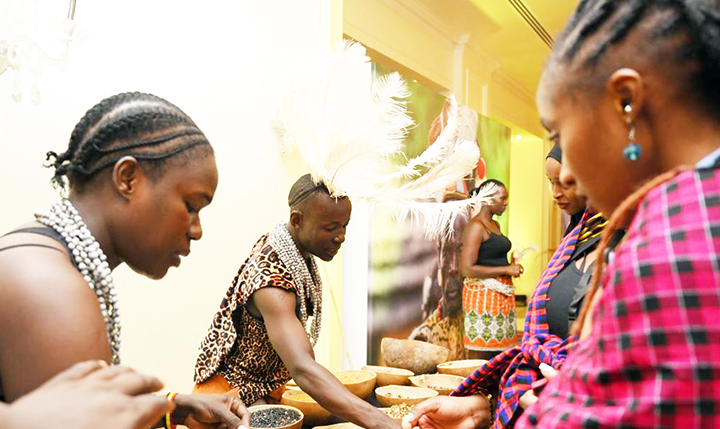
KAMPALA – When most international travellers think of Uganda, images of mountain gorillas, national parks and the source of the Nile often come to mind. But in Doha this week, Uganda set out to tell a different story, one rooted in culture, history and the untapped tourism potential of the country’s north.
At the Second Uganda Tourism and Cultural Expo in Qatar, Ugandan officials, diplomats and tourism stakeholders used a carefully crafted message to promote Northern Uganda not as a niche destination, but as an essential part of the country’s broader tourism identity. The event, hosted by the Ugandan Embassy at the JW Marriott Marquis City Centre Doha under the theme “The Soul of Uganda: A Northern Story,” formed part of a wider effort to attract more visitors, investors and tourism partnerships from the Gulf region.
The choice of Northern Uganda was significant.
For years, Uganda’s international tourism marketing has largely revolved around wildlife attractions. Yet tourism officials increasingly recognise that travellers are seeking more than scenic landscapes and safari experiences. Many now want authentic cultural encounters, local traditions and deeper connections with the communities they visit.
Northern Uganda offers exactly that.
With its rich cultural heritage, distinct ethnic communities, traditional music and dance, and landscapes shaped by the River Nile, the region represents an opportunity to diversify Uganda’s tourism offering at a time when competition for international visitors is intensifying.
Opening the Expo, Chief Guest Ambassador Charles Ssentongo presented Uganda as a destination capable of delivering multiple experiences within a single journey.
“Uganda does not ask the traveller to choose between adventure and relaxation, between nature and culture, or between exclusivity and affordability. Uganda offers all of it,” he said.
His remarks reflect a growing trend in global tourism marketing. Countries are increasingly packaging their attractions as integrated experiences rather than isolated destinations. The goal is to encourage visitors to spend more time, travel more widely and contribute more to local economies.
For Uganda, that matters.
Tourism remains one of the country’s most important sources of foreign exchange and employment. Yet much of the economic benefit has traditionally been concentrated around a limited number of destinations. Expanding tourism into regions such as Northern Uganda could spread those gains more broadly, creating opportunities for local businesses, cultural groups, accommodation providers and community enterprises.
The Gulf region has emerged as a particularly important market in this effort.
Improved air connectivity between Uganda and the Middle East, coupled with growing economic ties, has created new opportunities to attract visitors from countries such as Qatar, the United Arab Emirates and Saudi Arabia. These travellers are increasingly being targeted not only as tourists but also as potential investors in Uganda’s hospitality and tourism sectors.
Uganda’s Ambassador to Qatar, Stephen Chebrot, described tourism as a key pillar of the growing relationship between the two countries.
He said the Expo reflects expanding cultural diplomacy between Uganda and Qatar and highlighted tourism’s role in strengthening bilateral relations while unlocking new investment opportunities.
The event itself blended diplomacy, business and culture.
Delegates included diplomats, investors, tour operators, travel industry professionals and members of Uganda’s diaspora community. Cultural performances by the Watmon Cultural Troupe brought Northern Uganda’s traditions to life through music and dance, offering guests a glimpse into experiences that tourism officials hope will attract future visitors. Tourism exhibitions and networking sessions also created opportunities for Ugandan operators to connect directly with international travel stakeholders.
Behind the performances and presentations lies a larger strategic objective.
Uganda is increasingly positioning itself not simply as a wildlife destination but as a country whose diverse cultures, landscapes and communities can be marketed together under a single national brand. The challenge now is turning that vision into sustained visitor arrivals and investment.
The Embassy says it remains committed to promoting Uganda as a leading destination for cultural tourism, wildlife experiences and investment opportunities across Africa.
For ordinary Ugandans, particularly those in the north, the significance of that effort extends beyond tourism statistics. If successful, it could bring new jobs, business opportunities and international visibility to communities that have often sat outside the country’s main tourism circuits.