
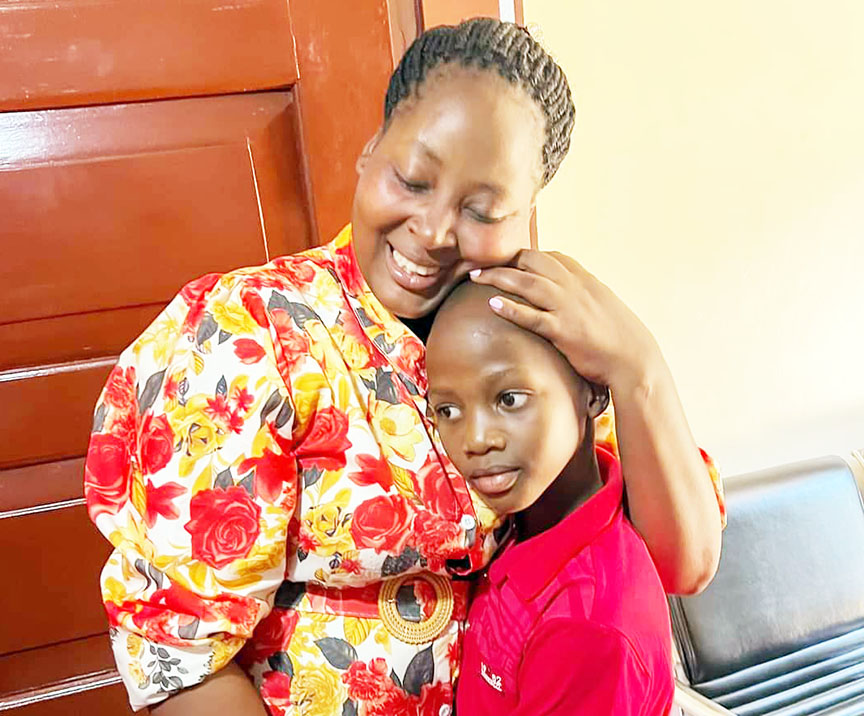
KAMPALA: On November 22, 2024, Olivia Lutaaya, a single mother of two, experienced a significant turning point as she walked free after four years in detention. Her release came via a presidential pardon granted by President Yoweri Museveni. Lutaaya, along with 16 others, had faced accusations of possessing 13 explosive devices allegedly found in multiple locations, including Jinja, Mbale, Kireka, Nakulabye, Kawempe, Natete, and Kampala Central between November 2020 and May 2021.
The case against Lutaaya and her co-accused had drawn significant public attention, spotlighting issues surrounding Uganda’s judicial process and the treatment of detainees. Her release, viewed by some as a gesture of reconciliation, raises broader questions about the balance between national security and human rights, further fueling debate on the state of justice in the country.
Yet her release also marked an emotional reunion at the National Unity Platform (NUP) headquarters in Kavule, where party members and supporters celebrated her freedom. Speaking to supporters, Lutaaya expressed gratitude to both her party and the president for their care and support. “Despite being in prison for over four years in such a situation, we are still determined on the mission of changing our country,” she said.
A Harrowing Journey
Lutaaya’s ordeal began on May 8, 2021, when she disappeared after receiving a call from an unidentified individual who alleged her phone number was linked to a motorcycle robbery. She suggested meeting at a nearby police post in Kampala, but upon arrival, she was abducted by hooded men. Lutaaya was taken to a safe house in Bukoto and later transferred to the Special Investigations Unit (SIU) in Kireka, then Kigo Prisons in Wakiso District, before her final incarceration at Luzira Prisons.
Her bail applications were repeatedly dismissed, with the military court citing insufficient sureties. Eventually, Lutaaya and her co-accused pleaded guilty to charges of owning unlawful explosive devices and treachery. The proceedings at the Court Martial in Makindye, chaired by Gen. Freeman Mugabe, were inaccessible to journalists.
The Role of Advocacy and Clemency
State Minister for Youth and Children Affairs, Balaam Barugahara, played a key role in advocating for leniency. Barugahara called for clemency for Lutaaya and others, emphasizing the need for reconciliation and restorative justice. He cited past instances where President Museveni had pardoned offenders to reintegrate them into society and contribute to national development. Following their release, Barugahara expressed gratitude on social media, stating, “Heartfelt gratitude to His Excellency President Yoweri Kaguta Museveni for granting pardon to 19 young individuals… Your compassionate decision gives them a second chance at life.”
Diverse Reactions to the Release
The release has ignited widespread reactions. Robert Kyagulanyi, NUP president, welcomed Lutaaya back, commending her resilience and renewed commitment to the struggle for a better Uganda. “You have spent four years under illegal detention without trial for no crime whatsoever… Museveni and his criminal regime will account for every crime committed against our people,” Kyagulanyi said.
While some view the pardon as a gesture of reconciliation, others see it as a reminder of systemic issues within Uganda’s justice system. The incident has reignited calls for a more transparent judicial process and measures to ensure that justice and accountability are upheld for all Ugandans. As Lutaaya begins her new chapter, her story stands as both a personal triumph and a broader reflection on the complexities of justice and reconciliation in the country.