
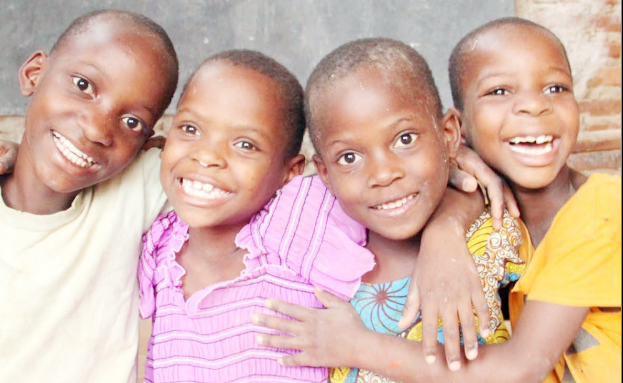
Kampala: Uganda’s persistent underspending on education, health, and social protection is set to severely impact the productivity of its next generation of workers, according to the 23rd edition of the Uganda Economic Update released by the World Bank. The report highlights significant concerns over the country’s future human capital, projecting that a Ugandan child born in 2020 will reach only 38 percent of her potential lifetime productivity due to inadequate health and education.
The 2020 Human Capital Index (HCI) reveals troubling statistics, including Uganda’s highest stunting rate among children under age five and one of the lowest adult survival rates globally. “These weak health indicators not only have immense human costs but are major contributors to low productivity,” the report states.
Public health spending in Uganda remains significantly lower than that of comparator countries. Households and external development partners finance 85 percent of total current health spending, with 84 percent of external funding for the health sector being off-budget. This off-budget funding limits policymakers’ ability to re-prioritize resources to critical areas. The report notes, “Executing a larger share of health expenditures through the budget could improve public financial management systems.”
The decline in government health spending is alarming. General government health expenditures from domestic sources fell from 6.5 percent of total public spending in FY14/15 to 3.9 percent in FY20/21. Over the past decade, domestic health expenditures have averaged just 1.1 percent of GDP, far below the 2 percent threshold needed to achieve health-related Sustainable Development Goals (SDGs). The report points out that “at this level of public spending, Uganda is unlikely to achieve the health-related SDGs.”
Challenges in the health sector are compounded by inadequate funding, staffing shortages, erratic supplies of medicines, and insufficient managerial capacity at health facilities. The limited availability of skilled healthcare providers, with Uganda falling below the global norm of 23 per 10,000 people, exacerbates the problem. High levels of absenteeism among health workers result in direct losses estimated at USh 292 billion (US$78.5 million) annually.
While public spending on medicines and medical supplies has increased, it remains low at US$3.2 per capita, compared to the standard of US$13–25 per capita in peer countries. Inadequate spending, weak accountability, and widespread theft contribute to medicine and supply shortages at health facilities.
Despite these challenges, Uganda has shown efficiency in resource utilization. The report highlights, “Uganda’s maternal health outcomes are better than those of most comparators,” although disparities in maternal mortality ratios persist across sub-regions due to differences in funding levels and efficiency in health systems.
Several health-sector policies and programs have benefited the poor, reducing the share of households facing catastrophic health expenditures. However, about 1.1 million households (4.9 million people) still experience catastrophic health spending, pushing approximately 233,328 households (1.1 million people) into poverty. These risks are particularly acute among rural households.
The World Bank report emphasizes that increasing health spending and improving efficiency are crucial for building Uganda’s human capital and achieving sustainable development. “The government must assume a much stronger role in addressing the huge gaps in healthcare quality and service availability in public health facilities,” the report concludes.
As Uganda looks towards future development, prioritizing health and education spending will be essential to ensure the productivity and well-being of its population.