
Close Menu
C-News
  • News
    • World
  • Politics
  • Business
    • Technology
    • Careers
  • Lifestyle
    • Entertainment
    • Travel
  • World News
  • Sports

Subscribe to Updates

Get the latest creative news from FooBar about art, design and business.

What's Hot

KCCA’s Crackdown Changed Kampala — But Not the Poverty Beneath It

May 7, 2026

Inside Kampala’s Secretive Crime Hub

May 6, 2026

What the World Bank’s 2026 Outlook Means for Uganda

April 30, 2026
Facebook X (Twitter) Instagram
Trending
  • KCCA’s Crackdown Changed Kampala — But Not the Poverty Beneath It
  • Inside Kampala’s Secretive Crime Hub
  • What the World Bank’s 2026 Outlook Means for Uganda
  • How a Water-Rich Uganda Can Feed East Africa
  • How Water, Not Oil, Will Decide Next Superpower
  • MTN Opens Kabale Innovation Hub in Youth Jobs Push
  • From $53Bn to $500Bn Economy: Here’s The Bold Plan Behind It
  • What South Asia’s Slowdown Means for Uganda
X (Twitter)
C-News
  • News
    • World
  • Politics
  • Business
    • Technology
    • Careers
  • Lifestyle
    • Entertainment
    • Travel
  • World News
  • Sports
C-News
Home»Business»How a Distant War Is Quietly Hitting Ugandan Traders
Business

How a Distant War Is Quietly Hitting Ugandan Traders

2. Uganda’s Trade Under Threat as Middle East Conflict Sends Costs Soaring
By Chief EditorMarch 26, 2026No Comments3 Mins Read
Facebook Twitter Pinterest LinkedIn Tumblr Email
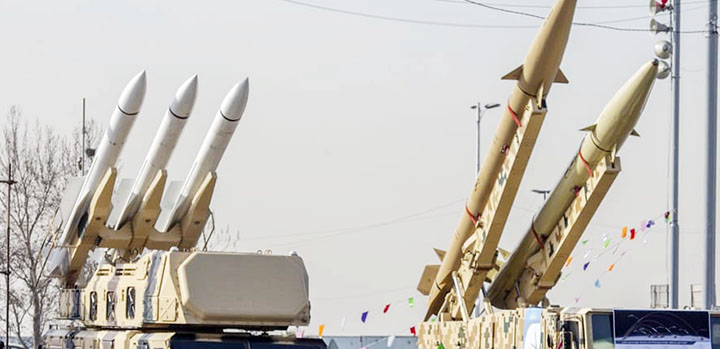
The image is used for illustration purpose only.
Share
Facebook Twitter LinkedIn Pinterest Email

As tensions escalate in the Middle East, Uganda’s exporters are being urged to stay calm—but not passive.

A fresh advisory from the Presidential Advisory Committee on Exports and Industrial Development (PACEID) warns that the deepening conflict involving Iran, Israel, and the United States is already rippling through global trade, disrupting shipping routes, driving up energy prices, and raising the cost of doing business far beyond the region.

For Uganda, the stakes are unusually high. The Gulf region accounts for between 35 and 37 percent of the country’s exports, including coffee, gold, tea, fruits, and vegetables. It is also a major source of investment and critical imports such as petroleum. That level of exposure means that disruptions thousands of miles away are now being felt much closer to home.

PACEID’s message to exporters is simple: collaboration is no longer optional. Businesses are being encouraged to work together, closely monitor stock levels, and maintain steady supply chains to protect Uganda’s reputation in international markets. The concern is not just about immediate losses, but about preserving long-term trust with buyers during a period of uncertainty.

The disruptions themselves are becoming harder to ignore. Key maritime routes such as the Strait of Hormuz and the Bab el-Mandeb Strait—vital arteries for global trade—are under strain. Some shipping lines have begun suspending or rerouting vessels, forcing cargo to take longer, more expensive routes around southern Africa.

That shift is already driving up costs. Freight charges have risen sharply, with increases of up to $1,800 for a 20-foot container and more than $3,800 for a 40-foot container. Transit times are stretching by as much as 20 days, creating additional pressure for businesses dealing in perishable goods.

Air freight is also feeling the squeeze. Capacity constraints and delays among major carriers have forced exporters to plan further ahead, sometimes confirming shipments days in advance or seeking alternative routes.

PACEID likens the situation to a smooth highway suddenly narrowing into a rough, congested road—a jarring transition that businesses must navigate without stopping. For exporters carrying fragile or time-sensitive goods, the risks are immediate and costly.

Beyond the short-term disruptions, the advisory points to a broader lesson. Africa, it argues, cannot afford to remain overly dependent on external markets, especially in times of global instability. Strengthening intra-African trade, not as a fallback but as a primary strategy, is increasingly seen as essential.

For now, however, the focus remains on weathering the storm. Exporters are being urged to plan for higher costs, tighten coordination with logistics partners, and stay in close contact with financial institutions to avoid unexpected shocks.

In a global economy where conflict can quickly disrupt supply chains, Uganda’s challenge is no longer just to grow its exports—but to keep them moving.


@PACIED
Share. Facebook Twitter Pinterest LinkedIn Tumblr Email
Chief Editor
  • Website

Related Posts

From $53Bn to $500Bn Economy: Here’s The Bold Plan Behind It

April 22, 2026

What South Asia’s Slowdown Means for Uganda

April 21, 2026

No More Scare Tactics! A Bold New Insurance Sales Pitch Has Arrived in Uganda

April 16, 2026
Top Posts

Opening Ceremony FIFA World Cup Qatar 2022

November 21, 2022

Musk lifts Donald Trump’s Twitter ban after a poll

November 23, 2022

Angry protests at giant iPhone factory in Zhengzhou

November 26, 2022

Protesters openly urge Xi to resign over China Covid curbs

November 27, 2022
Don't Miss
News

KCCA’s Crackdown Changed Kampala — But Not the Poverty Beneath It

By Chief EditorMay 7, 20260

kampala-trade-crackdown-city-transformation

Inside Kampala’s Secretive Crime Hub

May 6, 2026

What the World Bank’s 2026 Outlook Means for Uganda

April 30, 2026

How a Water-Rich Uganda Can Feed East Africa

April 28, 2026
Stay In Touch
  • Twitter

Subscribe to Updates

Get the latest news from c-news!

Demo
About Us
About Us

C-News is your source of the latest general news, business, health, travel and politics as it breaks in Uganda and East Africa.

Reports, Analysis, Pictorial and Videos.

Email Us: info@c-news.ug
Contact: +256 776745120

X (Twitter)
Our Picks

KCCA’s Crackdown Changed Kampala — But Not the Poverty Beneath It

May 7, 2026

Inside Kampala’s Secretive Crime Hub

May 6, 2026

What the World Bank’s 2026 Outlook Means for Uganda

April 30, 2026
Most Popular

Opening Ceremony FIFA World Cup Qatar 2022

November 21, 2022

Musk lifts Donald Trump’s Twitter ban after a poll

November 23, 2022

Angry protests at giant iPhone factory in Zhengzhou

November 26, 2022
  • Home
  • Privacy Policy
© C-NEWS 2026

Type above and press Enter to search. Press Esc to cancel.